

What To Do With a $1 Million 401(k) When You Retire: A Practical Guide for Tax-Smart Retirement Planning
If you’re getting close to retirement and you’ve built up around $1 million in your 401(k), you’ve done something important. You’ve saved consistently, stayed disciplined, and given yourself options. Now comes the next question: What do you do with a $1 million 401(k) when you retire?
This is where many retirees start to feel a little uncertain. During your working years, the goal was pretty straightforward: contribute, invest, and grow the account. But once retirement is around the corner, the conversation changes. Now it’s about how to turn those savings into income. It’s about avoiding unnecessary taxes. It’s about whether to leave the money where it is, roll it over, start withdrawals, or look at Roth conversions while you still have time to plan carefully. For a deeper look at whether a conversion makes sense, read Roth Conversion Tax Strategies for Spokane Retirees.
And if you’re retiring with a large pre-tax account, those decisions matter. A $1 million 401(k) can create a lot of opportunity. It can also create tax complexity if you make decisions too quickly or treat the account like it’s just an investment bucket. In reality, this account may affect your retirement income, your future required minimum distributions, your Social Security taxation, your Medicare premiums, and even what you leave behind to your family.
That’s why good retirement planning is about more than market returns. It also includes tax strategy, withdrawal timing, healthcare planning, and making sure the pieces work together. If you’re trying to figure out what to do with your 401(k) at retirement, let’s walk through the main options, the common mistakes to avoid, and the planning opportunities that often matter most.

A $1 Million 401(k) Can Be a Great Opportunity, but It Requires a Plan
A lot of people assume that if they retire with a million-dollar 401(k), they’re set. And to be fair, having a $1 million 401(k) retirement account does give you more flexibility than many retirees have. But it doesn’t automatically make the decisions easier. In fact, larger retirement accounts often create more planning decisions, not fewer. Here are some of the questions that come up right away:
- Should you leave the money in your current 401(k)?
- Should you roll it into an IRA?
- When should you start taking withdrawals?
- How much should you take each year?
- Is this a good time to consider Roth conversions?
- How should Social Security and Medicare fit into the plan?
- Is your investment allocation still right now that you’re retiring with a 401(k) and may need income from it?
The right answer depends on more than just the account balance. It depends on your spending needs, whether you have pension income, when you plan to claim Social Security, what tax bracket you’re in, whether you’re married, what you want to leave to heirs, and how you want your investments managed going forward.
That’s why a rollover is not automatically the best answer for everyone. And it’s why the first few years of retirement are often some of the most important planning years you’ll ever have.
Your Main Options for a 401(k) at Retirement
When people ask what to do with their 401(k) at retirement, they usually think there’s one “right” move. Most of the time, there isn’t. There are a few good options, and the best one depends on how the rest of your retirement picture looks. If you want a side-by-side look at the main choices, see I retired - What are my options with my 401k?
Option 1: Leave the Money in Your Current 401(k)
One option is simply to leave the money in your employer’s plan after you retire, assuming the plan allows it. Sometimes that’s a perfectly reasonable choice.
If your 401(k) has low costs, good investment options, and easy administration, there may be no urgent reason to move the money immediately. For some retirees, leaving it in place for a while can buy time to think through the bigger strategy instead of making a rushed decision.
When leaving it in the 401(k) may make sense
Leaving the account where it is may make sense if:
- the plan has strong investment choices
- the fees are competitive
- the plan is easy to manage
- the plan has great customer service
- you don’t yet need more advanced withdrawal or tax planning flexibility
- you simply want to slow down and make the next decision thoughtfully
- planning to use the rule of 55 to avoid early withdrawal penalty in a pre-age 59.5 retirement
That last point matters more than people think. You do not have to do everything at once the day you retire.
Possible drawbacks
Here’s where many retirees get surprised: even if the plan is fine, it may still be limiting.
Many 401(k) plans offer fewer investment choices than an IRA. Some make withdrawals more cumbersome. Others are less flexible when it comes to tax planning, beneficiary setup, or coordinating a full retirement income strategy.
So yes, leaving money in the plan can work. But it should be a conscious choice, not something that happens just because no one helped you evaluate the alternatives.
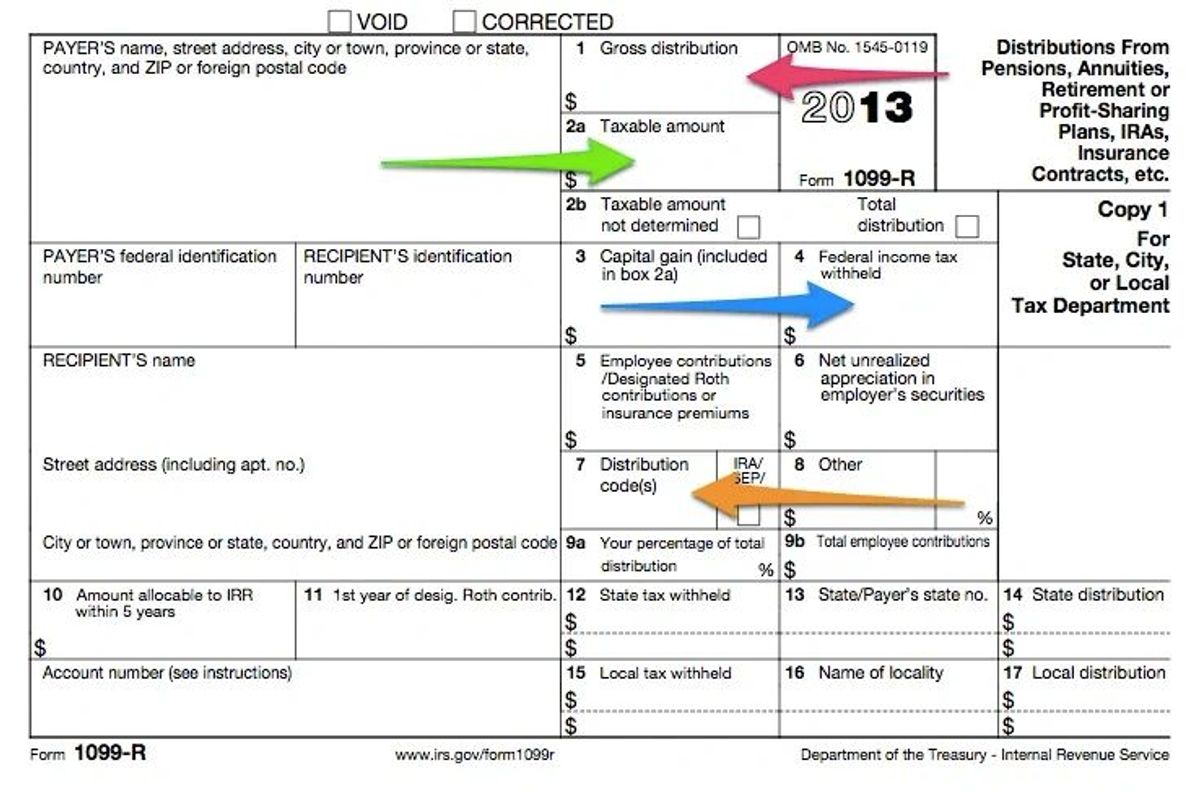
Option 2: Roll the 401(k) to an IRA
When most people think about 401(k) rollover options at retirement, they’re thinking about moving the account into an IRA. And in many cases, that makes a lot of sense. Before moving the account, it also helps to understand the most common errors in 401(k) Rollover Mistakes.
A rollover to an IRA often gives you more control. More investment flexibility. More planning flexibility. And for retirees with larger balances, that can be very valuable.
Why an IRA rollover is often attractive
Rolling your 401(k) to an IRA may make it easier to:
- choose from a broader investment universe
- consolidate old retirement accounts
- structure withdrawals more efficiently
- coordinate a long-term Roth conversion strategy
- utilize tax free distributions to a 501(c)3 with qualified charitable distributions (QCDs)
- rebalance the portfolio more intentionally
- review beneficiary planning in a more organized way
For many retirees, an IRA becomes the center of the retirement income plan.
This is especially true if you want your investments, tax strategy, and withdrawal plan to work together rather than being managed in separate pieces.
But a rollover is not always automatically better
That said, a rollover isn’t automatically the right answer just because it’s common.
Some employer plans are excellent. Some retirees move money to an IRA without understanding the new fees, the investment approach, or how the rollover fits into their overall tax picture. Others assume a rollover itself solves the planning problem. It doesn’t.
The rollover is just an account move. What matters is what happens after the move.
A better question is not, “Should I roll it over because everyone does?”
A better question is, “Will this improve my retirement plan?”
That’s the question a thoughtful Spokane financial advisor should help you answer.
Option 3: Start Withdrawals Carefully
Once you retire, your 401(k) has a new job. It’s no longer just a growth account. It now needs to support your lifestyle.
That shift sounds simple, but it’s where many costly mistakes begin.
If you’ve spent decades building this account, it can feel strange to start taking money out of it. Some retirees withdraw too much too soon. Others become so cautious that they avoid taking what they actually need. Neither extreme is ideal.
The goal is to create a withdrawal strategy that supports your retirement without creating avoidable tax problems or unnecessary pressure on the portfolio.
A good withdrawal plan should answer three questions
1. How much do you actually need from the account?
This is always the first question.
Some retirees have pensions. Some have rental income. Some plan to claim Social Security right away. Others want to delay it. Some have cash savings they can use first. Others will depend heavily on the 401(k).
So before choosing a withdrawal amount, you need to understand how much income the portfolio actually needs to provide.
2. Which account should you draw from first?
This matters more than it seems.
If you have money in different types of accounts: pre-tax, Roth, and taxable savings, the order you withdraw from them can affect your tax bill, your future RMDs, and how flexible your plan will be later on.
That’s one reason retirement tax planning for 401(k) assets is so important.
3. How should the plan adjust over time?
Retirement is not static. Markets change. Tax laws change. Spending changes. Health expenses change. A good withdrawal strategy should be reviewed and adjusted over time, not set once and forgotten.
Option 4: Consider Roth Conversions During the Early Retirement Years
For many retirees, this is one of the biggest planning opportunities available. And it’s also one of the most overlooked.
If most of your money is in a traditional 401(k), every future withdrawal from that account may be taxable. That by itself isn’t necessarily a problem. But if the account continues to grow and you do little tax planning in your 60s, you may end up with larger required minimum distributions later than you expected.
That’s where Roth conversions can come in. A Roth conversion means moving money from a pre-tax account into a Roth IRA and paying taxes on that amount now. The IRS also has a helpful overview of the rules for Roth IRAs and Roth conversions. In exchange, future qualified growth and withdrawals in the Roth can be tax-free.

Why Roth conversions can be valuable
A thoughtful Roth conversion strategy may help you:
- reduce future required minimum distributions
- create more tax flexibility later in retirement
- smooth out your taxes over time instead of stacking them later
- leave heirs a more tax-efficient asset
- reduce the pressure on a surviving spouse who may later file taxes as single
For the right household, that can be very meaningful.
The Roth window many retirees miss
Here’s where many retirees get surprised. The years between retirement and RMD age are often some of the best years for tax planning. Income may temporarily be lower because you’ve stopped working, but you haven’t yet started full Social Security or mandatory distributions.
That can create a valuable planning window. I also break this down in more detail in Should I do a Roth conversion in 2026?, including when a conversion may help and when it may not. Instead of waiting until RMDs force large taxable withdrawals later, you may be able to do partial Roth conversions in those early retirement years while staying within a reasonable tax bracket.
This is especially important for people trying to retire with a million dollar 401(k) and keep future taxes from snowballing. Not everyone should do Roth conversions. But many retirees should at least run the numbers.
Option 5: Coordinate 401(k) Decisions With Social Security and Medicare
One of the biggest mistakes retirees make is treating each decision separately. They think about the 401(k) on one day, Social Security on another day, and Medicare at a different time. But in real life, these decisions overlap. And when they overlap, one choice can affect another.
Social Security timing matters
Deciding when to claim Social Security is about more than just the monthly benefit. If you claim early, you may reduce how much you need to withdraw from your portfolio. If you delay, you may receive a larger future benefit and create a stronger stream of guaranteed income later in retirement.
But delaying Social Security can also open up a useful tax planning window. If your income is lower while you wait to claim, those years may be ideal for partial Roth conversions or carefully timed withdrawals.
That’s why Social Security timing should be part of the conversation when deciding what to do with your 401(k) at retirement. If you want to see how withdrawals can affect your benefits, read How Social Security Is Taxed in Retirement for Spokane Retirees.
Medicare and IRMAA matter too
Medicare adds another layer. Your premiums can increase if your income crosses certain thresholds. For readers who want the official background, CMS and Social Security both explain how Medicare premiums and IRMAA work. This is known as IRMAA, which stands for Income-Related Monthly Adjustment Amount.
This doesn’t mean you should avoid Roth conversions or extra income altogether. It just means the tax planning needs to be coordinated. Sometimes paying a little more in Medicare premiums for a year or two is still worth it if the strategy reduces larger future tax problems. The key is understanding the tradeoff before you make the move. A good Spokane financial advisor should help you see the full picture, not just the investment side.
Building a Retirement Income Plan Around a $1 Million 401(k)
A retirement income plan is not just about choosing a withdrawal percentage and hoping it works. It should be built around your real life. That means your plan should coordinate:
- your spending needs
- Social Security timing
- pension income, if you have one
- tax brackets
- Roth conversion opportunities
- healthcare and Medicare costs
- long-term care considerations
- estate and beneficiary goals
- investment strategy and risk level
This is where retirement planning becomes more personal. Two retirees can each have a $1 million 401(k) and need very different strategies. One may have a pension and no mortgage. Another may be helping adult children, delaying Social Security, and worried about future healthcare costs. Same balance. Very different plan.
Your investment strategy should change with your retirement purpose
The portfolio that helped you build wealth during your working years may not be the exact portfolio you want once retirement starts. That doesn’t mean you suddenly move everything to cash or become ultra conservative. It means the investment strategy should match the job the money needs to do now. In retirement, the portfolio usually needs to support three things at the same time:
- reliable income
- continued growth for inflation
- enough stability to avoid panic during market downturns
That balance matters. And it often deserves more attention than simply keeping the same allocation you had while working.

Common Mistakes to Avoid With a Large 401(k)
When someone retires with a large 401(k), the mistakes are usually not dramatic. They’re often small decisions that add up over time. Let’s look at a few of the most common ones.
Triggering unnecessary taxes
This happens all the time. Sometimes retirees take a large withdrawal without realizing how much of it will be taxed. Sometimes they fail to coordinate withdrawals with Social Security or Medicare. Sometimes they wait so long to address tax planning that required minimum distributions later become much larger than expected.
The issue is not just this year’s tax bill. It’s the long-term pattern.
Withdrawing too much too soon
The early years of retirement matter. If you take too much from the portfolio early on, especially during a rough market period, it can make the plan less flexible later. This doesn’t mean you should be afraid to enjoy retirement. It just means the withdrawal strategy should be intentional rather than reactive.
Ignoring Roth conversion opportunities
Not every retiree needs Roth conversions. But many people miss a very good planning window because no one showed them how to evaluate it. If your income is temporarily lower in the early retirement years, that may be one of the best times to look at converting portions of your pre-tax money.
Failing to plan for RMDs
Required minimum distributions often sneak up on people. If you want the official rule details, the IRS explains required minimum distributions here. When most of your wealth sits in pre-tax retirement accounts, future RMDs can become large enough to push you into higher tax brackets, increase the taxation of Social Security, and raise Medicare premiums. That’s why RMD planning should begin years before RMDs actually start. For more on this, see Avoiding RMD Taxes, where I explain how proactive planning can reduce future tax pressure.
Overlooking fees, allocation, or beneficiary details
Sometimes the biggest issue is not a flashy one. It’s the small stuff people forget to review. That includes:
- investment expenses
- advisor fees
- whether the allocation still fits retirement
- outdated beneficiary designations
- concentration in a few funds or positions
- lack of coordination between investments and withdrawal needs
These are easy to overlook, especially during a major life transition. But they matter.
Example: Married Couple Retiring at 62 With $1 Million in a 401(k)
Let’s walk through an example.
Say a married couple retires at 62 with $1 million in a 401(k), some cash savings, and no pension. They need income from the portfolio, but they are also considering delaying Social Security so they can lock in larger benefits later.
This is often where smart planning can really help. Because they’ve retired but haven’t started Social Security yet, their taxable income may be lower for a few years. That could create room for partial Roth conversions without jumping into an unnecessarily high tax bracket.
At the same time, they still need a withdrawal plan. They need to know how much to take from the portfolio, how to cover living expenses, and how to do it in a way that doesn’t create more tax trouble later. And if they’re getting close to Medicare, they also need to keep an eye on how their income decisions may affect future premiums.
The point of this example isn’t that every couple should do the same thing. If you’d like to see how this kind of planning can work in real life, take a look at Meet Dave and Kathy - Case Study. It’s that the years right after retirement can be some of the most valuable years for proactive planning.
Example: Delaying Social Security and Using Partial Roth Conversions
Here’s another common scenario.
Imagine someone retires at 63, has most of their wealth in a traditional 401(k), and wants to delay Social Security until age 70. That creates a window of several years where income may be lower than it will be later. And that may make those years ideal for partial Roth conversions.
Rather than converting a huge amount all at once and creating a large tax bill, the retiree may choose to convert enough each year to fill up a target tax bracket. Living expenses might be covered from cash savings, taxable accounts, or modest withdrawals. By the time Social Security begins, part of the pre-tax account may already have been moved into Roth money. That can reduce future RMDs and create more flexibility down the road.
This is a good example of why retirement tax planning for 401(k) dollars is not just about this year. It’s about setting up the next 10, 15, or 20 years more thoughtfully.
What Retirees in Spokane and Washington Should Keep in Mind
The core planning issues in retirement are similar no matter where you live. But your local situation still matters.
For many retirees in Spokane and across Washington State, retirement planning includes not just taxes and withdrawals, but also healthcare costs, housing choices, helping family, charitable goals, and thinking ahead about long-term care. Washington does not have a state income tax, which can be helpful. For more on the Washington-specific side of retirement tax planning, see How Washington State Affects Taxes for Retirees. But retirees still need to plan carefully for federal taxes, Social Security taxation, Medicare premiums, and future required distributions from large pre-tax accounts.
That’s one reason many people want to work with a Spokane financial advisor who understands retirement tax planning, not just investment management. If you’re retiring with a 401(k), you want the decisions to be coordinated. You don’t want a pieced-together plan where one choice accidentally creates problems somewhere else.

When It Makes Sense to Get Help From a Financial Advisor
Not everyone needs ongoing advice. But many retirees do benefit from help during the transition from saving for retirement to actually living off their money. It may make sense to get help if:
- you are not sure whether to leave your 401(k) where it is or roll it over
- you want to understand your 401(k) rollover options at retirement
- you are considering Roth conversions
- you want to delay Social Security and need a plan for the gap years
- you are concerned about future RMDs
- you are considering Qualified Charitable Distributions (QCDS)
- you want to reduce avoidable tax mistakes
- you want your investments, income strategy, and tax planning to work together
This is especially true for households with $1 million or more in retirement accounts. At that level, even small improvements in planning can make a meaningful difference over time. A good advisor should help you think clearly, explain tradeoffs in plain English, and build a strategy around your life, not push a one-size-fits-all answer.
Final Thoughts: The Best Next Step Is to Build a Coordinated Plan
If you’re wondering what to do with a $1 million 401(k) when you retire, the answer usually isn’t as simple as “roll it over” or “start withdrawals.” The better answer is to build a coordinated plan.
That plan should look at your income needs, tax bracket, Social Security timing, Medicare costs, future required minimum distributions, investment strategy, and long-term goals. That’s what turns a large retirement account into a useful retirement strategy.
Retiring with a 401(k) of this size can give you real flexibility. But the key is using that flexibility wisely. If you’d like help thinking through your next steps, we’d be glad to help. As a Spokane financial advisor, we work with retirees and people within five years of retirement who want to make thoughtful, tax-smart decisions with large 401(k) balances.
If that sounds like you, reach out. We’d be happy to help you build a retirement withdrawal and tax strategy that fits the life you want to live.
5 FAQ Questions and Answers
1. What should I do with my 401(k) when I retire?
You usually have a few main options: leave it in your current 401(k), roll it to an IRA, begin withdrawals, or consider Roth conversions over time. The best choice depends on your income needs, taxes, Social Security timing, and how much flexibility you want in retirement.
2. Should I roll my 401(k) into an IRA when I retire?
Sometimes yes, but not always. An IRA can give you more investment choices and more flexibility for retirement income planning, Roth conversions, and beneficiary planning. But some 401(k) plans are excellent, so a rollover is not automatically the best choice.
3. Is $1 million in a 401(k) enough to retire?
It can be, but the answer depends on your spending, other income sources, taxes, healthcare costs, and how your withdrawals are managed. A $1 million 401(k) retirement may be enough for one household and feel tight for another.
4. Should I do Roth conversions after I retire?
Many retirees should at least consider them. The years after retirement and before RMDs begin can be a good time for partial Roth conversions, especially if income is temporarily lower. The strategy should be coordinated carefully with tax brackets, Social Security, and Medicare premiums.
5. How are 401(k) withdrawals taxed in retirement?
Traditional 401(k) withdrawals are generally taxed as ordinary income at the federal level. Those withdrawals can also affect the taxation of Social Security and your Medicare premiums, which is why retirement tax planning for 401(k) assets matters so much.
Talk with our Spokane Financial Advisor team

About the Author
Noah Schwab, CFP® is a financial advisor in Spokane, Washington, helping retirees with $ 1M+ maximize their 401(k) with Roth conversions and tax strategies.
- No commissions or insurance
- Investment management, tax, and financial planning
Noah Schwab, CFP®, is a Spokane financial advisor specializing in helping retirees with tax-efficient retirement income strategies, Roth conversions, and estate planning. This article is for educational purposes only and should not be considered tax or legal advice.