
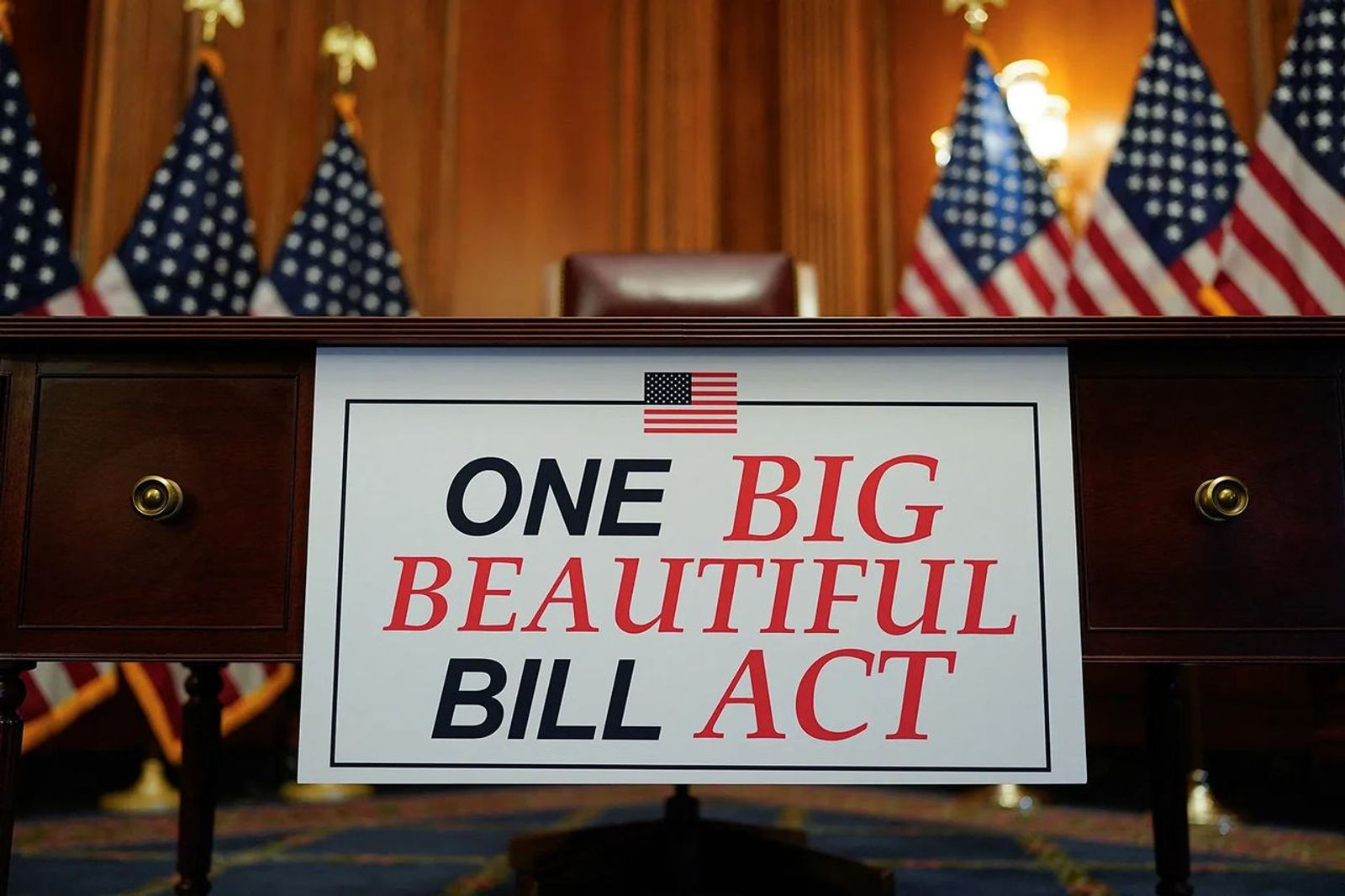
The One Big Beautiful Bill Act, passed in July 2025, permanently extends many of the 2017 Tax Cuts and Jobs Act (TCJA) provisions and introduces new tax changes that could impact your retirement planning, investments, and estate strategy. Here is a straightforward guide to the nine most significant changes and the best financial planning opportunities for you as a retiree or soon-to-be retiree in Spokane.
1. Permanent Tax Cuts and Rates Provide Stability
The OBBB Act makes permanent the income tax rates and brackets introduced by the 2017 TCJA, which had been set to expire at the end of 2025. This means the seven tax brackets, ranging from 10 percent to 37 percent, remain intact, providing certainty and stability for income tax planning.
Additionally, the elevated standard deduction you have been benefiting from ($15,750 for singles, $31,500 for joint filers, indexed for inflation) is now permanent. This simplification helps many retirees by reducing their taxable income without requiring them to itemize.
Takeaways
- Your current tax brackets will not increase after 2025.
- The higher standard deduction remains, helping to reduce taxable income.
- You can plan retirement income, Roth conversions, and withdrawals with more certainty knowing these rates are stable.
2. State and Local Tax Deduction Provides Temporary Relief
One key change is the increase in the SALT deduction cap from $10,000 to $40,000 for tax years 2025 through 2029. This doesn’t help many Washington residents because we don’t have a state income tax, but it may help those with high property taxes and local taxes. However, this higher cap begins to phase out for individuals making over $250,000 (or $500,000 for joint filers) and will revert back to $10,000 in 2030.
However, if you reside in a high-tax state or own many properties, this increase could be significant.
Takeaways
- SALT deduction cap is $40,000 for now, but will drop back to $10,000 in 2030.
- Income limits may reduce your SALT deduction benefit if your income is high.
- This change may impact your decisions on property taxes and state tax planning.
3. Senior Bonus Deduction Offers Extra Help
For taxpayers aged 65 and older, the Act introduces a temporary additional tax deduction of $6,000 for singles and $12,000 for joint filers with income below certain thresholds (i.e., $ 75,000 for singles and $150,000 for joint filers). For couples at the 22% tax bracket, this is $2,640 in tax savings. This deduction phases out and expires after 2028.
This bonus deduction is in addition to the standard deduction and could provide huge tax savings for many Spokane seniors. It’s important to know that this is a below-the-line deduction, so it won’t help to lower AGI, which is used to calculate how much Social Security is taxed.
Takeaways
- Seniors can claim an additional deduction to reduce taxable income through 2028.
- Income limits apply, so higher earners may see reduced or no benefit.
- This is a temporary provision, so planning to maximize it while it is available is smart.
4. Estate and Gift Tax Exemptions Increase
The Act permanently increases the federal gift and estate tax exemption to $15 million per individual (indexed for inflation starting in 2026). This means you can transfer more wealth tax-free during your lifetime or at death, a significant benefit for legacy planning.
Note that Washington State has recently increased its estate tax to over $3 million per individual, so reviewing and planning for this with your advisor and attorney is important.
Takeaways
- The estate and gift tax exemption is now fifteen million dollars per person permanently, but Washington State’s is much lower and is still the primary estate planning concern for most people.
- This increase may reduce estate tax liability for wealthy retirees.
- Estate planning strategies should consider these new limits and inflation adjustments.
5. Charitable Giving Gets New Deductions and Limits
A new $1,000 (single) or $2,000 (joint) charitable deduction is available for non-itemizers, encouraging more giving. For itemizers, the law introduces limits on charitable deduction benefits: a floor of 0.5% of AGI and a cap of 35% of the value of donations for top earners, down from 37%.
This could slightly change how charitable giving fits into your tax strategy.
Takeaways
- Even if you do not itemize, you can deduct some charitable donations.
- Itemizers face new limits on deduction amounts if in the highest tax bracket.
- Planning your giving strategy with this new tax situation in mind is more important than ever, especially if you’re planning a large donation to avoid capital gains.
6. New Savings Accounts for Children
Starting in July 2026, new tax-advantaged savings accounts for children will be available, seeded with $1,000 for newborns through 2028. Parents or guardians can contribute up to $5,000 per year, which grows tax-deferred until the child turns 18, at which point the account converts to a traditional IRA. This is designed to promote early financial literacy and give those kids an early start on saving for retirement.
Takeaways
- New savings accounts for children encourage long-term financial security.
- Parents can contribute and benefit from federal seed money for eligible kids.
- Funds are limited to U.S. stock market funds and have restrictions on withdrawals before age eighteen.
7. Temporary Deductions on Tips, Overtime, and Car Loan Interest
Several new temporary deductions effective from 2025 to 2028 include:
- Deduction of up to $25,000 in qualified tip income for eligible workers.
- Deduction on overtime pay differential up to $12,500 for singles and $25,000 for joint filers.
- Deduction of up to $10,000 in interest on car loans for qualified vehicles assembled in the United States.
These provisions have income phase-outs and complex eligibility rules but may provide valuable tax relief for some.
Takeaways
- If you earn income from tips or overtime, you may benefit from new deductions.
- Car loan interest on qualifying vehicles is now deductible up to $10,000.
8. What Does Not Change: Social Security and Some Energy Credits
Despite rumors, the OBBB Act does not change federal taxation of Social Security benefits, which remain taxable for many retirees.
The Act also phases out or limits some green energy tax credits, including those for electric vehicles, starting after September 2025.
Takeaways
- Social Security benefit taxation remains the same.
- Plan for potential changes in energy credits and incentives for your home or vehicle.
9. Complexity and Administrative Challenges Ahead
The Act introduces many new rules and exceptions, making the tax code more complex. IRS guidance will be needed to clarify eligibility for new deductions such as overtime, tips, car loan interest, and these new “Trump Accounts.”
Takeaways
- Expect IRS guidance and detailed rules to follow
- New savings and deduction rules add complexity to tax planning
- Working with a financial advisor can help navigate these changes
Best Financial Planning Opportunities Under the New Tax Law
The One Big Beautiful Bill opens several valuable planning doors for retirees and investors. One of the most impactful strategies involves Roth conversions. Because the law provides an additional standard deduction for seniors aged 65 and older, many retirees may now have more room to convert funds from traditional retirement accounts to Roth IRAs without jumping into a higher tax bracket.
Roth conversions are important because they can reduce future required minimum distributions and lower taxes in retirement. The extra deduction effectively increases your tax-free income threshold, making it a great opportunity to convert larger amounts during your low-tax years.
But be careful. Make sure your Spokane financial advisor or CPA doesn’t include the new additional as an above-the-line deduction, so you don’t convert more than you should. If not, you may have higher Medicare premiums due to IRMAA. or more Social Security taxes. Working with your financial advisor to analyze your personal tax situation and incorporate these changes into your retirement income and estate plans can unlock significant savings and peace of mind.
Main Takeaways from the One Big Beautiful Bill
- Consider larger Roth conversions using the extra senior standard deduction to reduce future RMD taxes
- The continuation of the low tax brackets is another reason to consider accelerating income or look for capital gains strategies.
- Adjust charitable giving strategies to maximize tax benefits under new rules
- Use SALT deduction increases strategically if you live in a high-tax state (not as applicable in Spokane, Washington)
- Explore new deductions for auto loan interest, tips, and overtime income if relevant
- Review estate and gift plans in light of higher exemption limits
Final Thoughts for Spokane Retirees
The One Big Beautiful Bill Act brings many important tax provisions into permanence while adding some new temporary benefits tailored for senior families and certain taxpayers. The law’s complexity shows the importance of proactive tax and financial planning.
As your Spokane financial advisors near you, we are here to help you navigate these changes and optimize your retirement income tax strategy, estate planning, and charitable giving so you can focus on what matters most.
If you want to talk about how these changes impact your personal situation, schedule a free discovery call anytime.

About the Author
Noah Schwab CFP® is a financial advisor in Spokane, Washington, helping retirees with $ 1M+ maximize their 401(k) with Roth conversions and tax strategies.
- No commissions or insurance
- Investment management, tax and financial planning