
Happy Friday! Noah here. Jenny and I had a wonderful weekend celebrating her Grandpa’s 90th birthday in Lewiston. It was really special to see so much family come together for the milestone.
Wyn is still traveling in Europe, Amy is heading out on a family vacation to Ohio next week, and Kate said she has some big plans at Costco 😊
As a Spokane financial advisor, I like to keep things simple and informative. Let’s dive into a quick look at the economy, an interesting financial trend, and a planning tip I often share with clients here in Spokane.
📊 Economy – Is the Fed Truly Independent?
As a Spokane financial advisor, I am often asked how Federal Reserve decisions impact markets, interest rates, and retirement portfolios. One of the biggest questions right now is whether the Fed is truly acting independently or if it's influenced by political agendas.
This debate is not new. In fact, back in 1979, then-Fed Chairman Arthur Burns admitted that the Federal Reserve often accommodated government spending. That confession raised serious concerns about the Fed’s independence, and many see parallels today. During the pandemic and related crises, the Fed took aggressive steps to support government stimulus efforts and kept interest rates low to boost the economy. But now, even as inflation has cooled and real interest rates remain high, the Fed is slow to ease policy.
This shift has led many to question whether the Fed is being consistent or if it is selectively accommodating depending on political and economic pressures. Some critics have gone so far as to suggest that Chairman Jerome Powell should be replaced to reset the Fed’s priorities. Others warn that such a move could trigger unnecessary market volatility and undermine investor confidence.
What does this mean for you, as an investor or retiree in Spokane? While these decisions may seem far removed from your day-to-day life, they play a significant role in shaping everything from mortgage rates to bond yields to stock market trends. Whether the Fed remains independent or not, understanding its influence is key to building a resilient financial plan.
🌍 Interesting Story – Are Stablecoins the Future of Money?
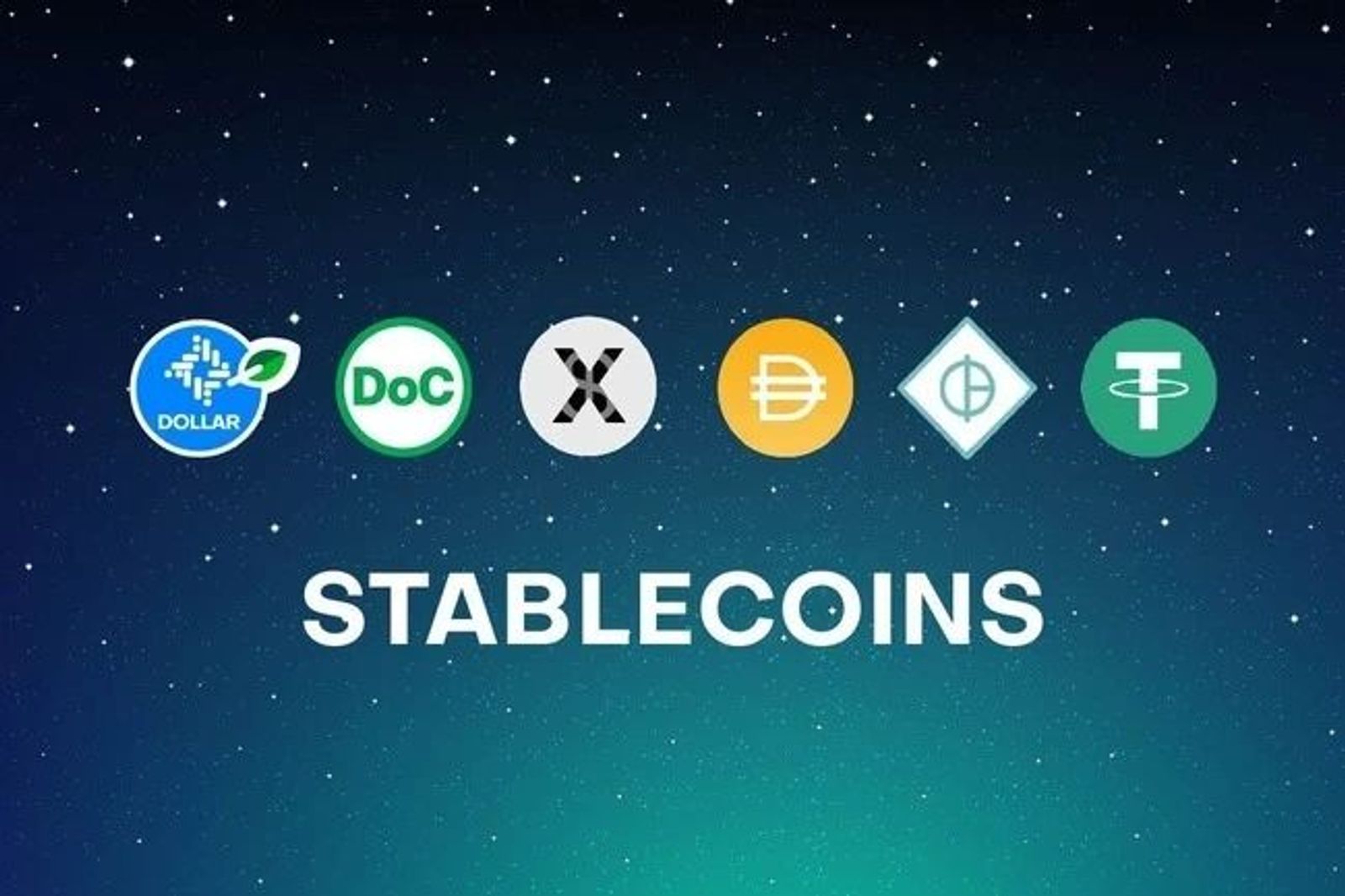
This week, Congress passed the first national regulatory framework for stablecoins. It's a big deal in the world of digital finance. If you’re unfamiliar, stablecoins are a type of digital asset typically pegged to a stable value, such as the US dollar. They combine the speed and technology of cryptocurrency with the trust and predictability of traditional money.
Stablecoins like Tether and USD Coin, which are backed by real dollar reserves, now make up most of the $250 billion stablecoin market. By 2025, they’re expected to surpass two billion transactions annually. That kind of growth has caught the attention of regulators, investors, and financial planners alike.
Why does this matter for Spokane residents or those planning for retirement? Stablecoins could revolutionize cross-border payments by offering a faster, cheaper, and more accessible alternative to traditional banking systems. This is especially helpful in regions with limited financial infrastructure, such as Southeast Asia and Latin America, but it also has implications for the future of finance in our city of Spokane.
As a financial advisor in Spokane, I’m keeping a close eye on how digital assets, such as stablecoins, might impact our savings, spending, and money transfers in the years ahead. While it’s still early, their growing adoption suggests they could eventually become a meaningful part of a diversified financial strategy.
💡 Financial Planning Secret – Don’t Chase Yield on Dividend-Paying Stocks
One of the most common mistakes I see retirees make, especially those managing their own portfolios, is chasing the highest dividend yields. It is easy to think a stock paying 6 or 7 percent is a sure thing, but that high yield can sometimes be a red flag rather than a reward.
A high dividend yield can indicate that the stock price has fallen significantly, making the yield appear inflated. It may also signal that the company is in trouble or overextending itself just to keep investors happy. In either case, the dividend may not be sustainable, and a cut could hurt both your income and your portfolio value.
Instead of just looking at yield, take a deeper look at the company’s financial health: cash flow, earnings, debt, and how much of its profits go toward dividends. These are critical factors for long-term reliability.
It is also important to consider the risk of holding too much of one stock, especially in retirement. Concentrated positions add unnecessary risk to your retirement plan. If that company stumbles, it could affect your income and your peace of mind.
As a Spokane financial advisor, I often recommend building a well-diversified portfolio that balances income, growth, and stability. By spreading your investments across different sectors and companies, you can reduce your reliance on any single stock and create a more reliable stream of income.
Wrapping Up
Whether you're following Fed policy, exploring new technologies like stablecoins, or just trying to make smart retirement income decisions, staying informed is one of the best ways to protect your financial future. If you’re looking for help navigating these topics or building a plan tailored to your goals, feel free to reach out. I work with individuals and families across Spokane to create thoughtful, tax-efficient retirement plans that work in both calm and uncertain times.

About the Author
Noah Schwab CFP® is a financial advisor in Spokane, Washington, helping retirees with $ 1M+ maximize their 401(k) with Roth conversions and tax strategies.
- No commissions or insurance
- Investment management, tax and financial planning