
The Complete Guide to Donor-Advised Funds: Insights from a Spokane Financial Advisor
As a financial advisor with years of experience guiding clients in Spokane, I frequently receive questions about charitable giving strategies, particularly from individuals seeking to maximize their impact while being tax-efficient. One of the most powerful tools available for this purpose is a donor-advised fund (DAF). In this comprehensive guide, I’ll break down what donor-advised funds are, how they work, and why they can be an essential part of your financial and philanthropic plan.
What is a Donor-Advised Fund?
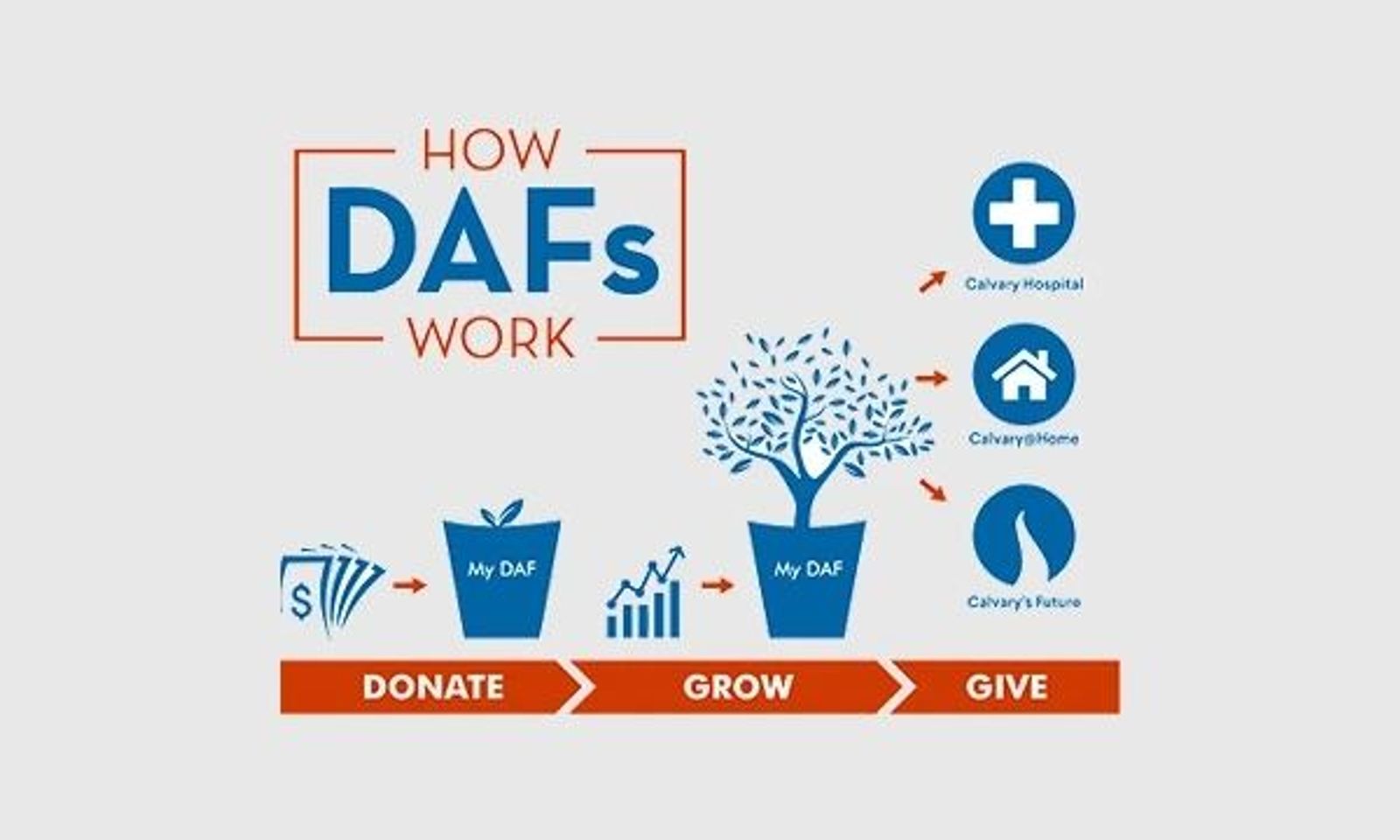
A donor-advised fund is a charitable giving account that allows individuals to donate cash, securities, or other assets to a fund managed by a sponsoring organization, such as a community foundation or a financial institution. Once assets are contributed, the donor receives an immediate tax deduction and can recommend grants to qualified charities over time. Essentially, it separates the act of giving from the timing of charitable donations, giving you control, flexibility, and potential tax advantages.
How Donor-Advised Funds Work
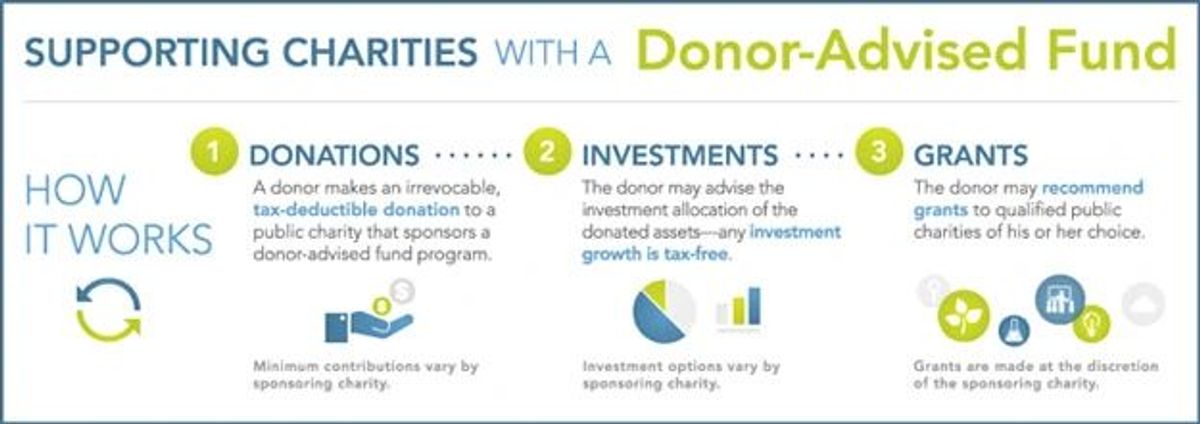
- Opening a DAF Account: You start by establishing a DAF with a sponsoring organization. Many national financial institutions, community foundations, and brokerages offer donor-advised funds.
- Making Contributions: You can contribute cash, publicly traded stocks, mutual funds, or other appreciated assets. Each contribution is eligible for an immediate tax deduction in the year it is made, subject to IRS limits.
- Investing the Funds: Contributions can be invested in a variety of options offered by the sponsoring organization, including mutual funds, ETFs, or other investment portfolios. The funds grow tax-free, increasing the amount available for future grants.
- Recommending Grants: You retain advisory privileges to recommend grants to IRS-qualified charities at any time. While the funds must eventually be given to charity, you control the timing, allowing you to plan your giving strategically.
- Bunching Deductions: Donor-advised funds are particularly useful for high-income years. By contributing several years’ worth of donations in one year, you can “bunch” deductions to maximize tax benefits.
Tax Advantages of Donor-Advised Funds
- Immediate Tax Deduction: Contributions to a DAF provide an upfront tax deduction, even if the charitable distribution occurs later. This is especially helpful for clients looking to offset high-income years.
- Avoid Capital Gains Tax: Donating appreciated securities to a DAF allows you to avoid paying capital gains taxes on the appreciation. For example, if you donated stock that has doubled in value, you can deduct the full market value without triggering capital gains.
- Growth is Tax-Free: Any investment growth within the DAF is tax-free, meaning more money can ultimately go to charity.
- Estate Planning Benefits: Assets contributed to a DAF are removed from your taxable estate, which can reduce estate taxes and provide a legacy of giving.

Choosing the Right Donor-Advised Fund
As a Spokane financial advisor, I help clients choose a DAF that aligns with their goals. Key factors to consider include:
- Sponsoring Organization: Look for organizations with a strong track record, low administrative fees, and flexible investment options.
- Investment Options: Ensure the DAF offers diversified investment choices that match your risk tolerance and philanthropic timeline.
- Grant Flexibility: Check if the fund allows giving to international charities or donor-restricted funds, depending on your goals.
- Minimum Contributions and Fees: Some DAFs require a minimum initial contribution and charge annual fees; these should be evaluated in the context of your overall giving strategy.
Common Misconceptions About Donor-Advised Funds
- “Once I give, I lose control”: While technically the sponsoring organization holds the assets, you maintain advisory privileges, which means you recommend grants at your discretion.
- “It’s only for the wealthy”: While DAFs are especially powerful for high-net-worth individuals, they can be used by anyone looking for a structured, tax-efficient giving approach.
- “DAFs are complicated”: Modern platforms make setting up and managing a DAF straightforward. Your Spokane financial advisor can help streamline the process and integrate it into your broader financial plan.

Integrating DAFs Into Your Financial Plan
A DAF can serve multiple purposes beyond charitable giving:
- Bunching Deductions: As mentioned, this is ideal for smoothing out tax liabilities in high-income years.
- Strategic Giving: DAFs allow you to align giving with personal milestones, such as retirement, estate planning, or philanthropic goals.
- Education and Legacy: You can involve family members in grant recommendations, teaching the next generation about philanthropy.
- Retirement Planning: By donating to a DAF instead of taking larger taxable withdrawals in retirement, you can reduce the tax burden on your retirement income.
Case Study: How a Spokane Client Used a DAF
One of my clients in Spokane wanted to support multiple charities over several years while maximizing tax efficiency. We set up a DAF, contributed a mix of cash and appreciated stock, and invested the funds for growth. Over the next three years, the client recommended grants strategically each year, ensuring consistent support for their favorite causes while reducing their taxable income in high-income years. This approach not only met their philanthropic goals but also optimized their tax strategy, illustrating the versatility of DAFs in a comprehensive financial plan.

Choosing a Financial Advisor to Help With DAFs
Working with an experienced Spokane financial advisor is crucial for maximizing the benefits of donor-advised funds. Here’s why:
- Customized Strategy: Advisors can help you integrate DAFs with other tax planning, retirement, and estate strategies like Roth conversions, QCDs, charitable trusts, and many more.
- Investment Guidance: Advisors ensure that the funds within your DAF are invested appropriately to meet both your growth and philanthropic goals.
- Compliance and Administration: Advisors can navigate IRS rules and administrative requirements, making your charitable giving seamless.
- Legacy Planning: Advisors help structure DAFs in conjunction with wills, trusts, and other estate planning tools to leave a meaningful legacy.
Key Takeaways
- Donor-advised funds are a flexible, tax-efficient way to support charities you care about.
- Contributions are immediately tax-deductible, and investments grow tax-free.
- You retain control over timing and recipients of grants, making DAFs powerful for strategic philanthropy.
- They can be integrated into broader financial planning, including retirement and estate planning.
- Working with a knowledgeable Spokane financial advisor ensures your DAF strategy aligns with your overall financial goals.
Conclusion
Donor-advised funds provide a convenient solution for individuals seeking to give back while maximizing tax efficiency. As a Spokane financial advisor, I’ve seen firsthand how DAFs help clients achieve philanthropic goals, reduce taxes, and build a lasting legacy. Whether you’re a seasoned philanthropist or just beginning your charitable journey, a DAF can be a central tool in your financial and giving strategy. By leveraging the guidance of an experienced financial advisor, you can ensure that your contributions are not only impactful but also strategically optimized to suit your unique financial situation.
If you’re interested in learning more about how a donor-advised fund can fit into your financial plan, contact our Spokane office today to schedule a consultation with a knowledgeable financial advisor.
Meet with our Spokane Financial Advisor today

About the Author
Noah Schwab CFP® is a financial advisor in Spokane, Washington, helping retirees with $ 1M+ maximize their 401(k) with Roth conversions and tax strategies.
- No commissions or insurance
- Investment management, tax and financial planning