

1031 Exchange Planning for Washington Farmland Owners
Selling Washington Farmland? Explore a 1031 Exchange to a DST
If you own $5M+ of Washington farmland and are considering a sale, a 1031 exchange into a Delaware Statutory Trust may help defer taxes while moving away from hands on property ownership.
We help farmland owners think through 1031 exchanges, DST replacement properties, potential 721 exchange options, retirement income, taxes, and legacy planning before making a major sale decision.
Fee only fiduciary advice · Spokane based · CFP® professionals
Who this is for
You may be in the right place if…
This page is for Washington farmland owners who are thinking seriously about selling and want to understand their options before triggering a large tax event.
-
You own highly appreciated Washington farmland
You may have significant unrealized gain and want to understand whether a 1031 exchange could help defer taxes.
-
You do not want another active property to manage
You may like the idea of real estate ownership but not the burden of finding, financing, managing, or maintaining replacement property yourself.
-
You are researching DST replacement properties
You want to understand how Delaware Statutory Trusts work, what risks to evaluate, and how they may fit into a broader plan.
-
You want to think beyond the exchange
A $5M+ farmland sale can affect retirement income, estate planning, charitable giving, tax strategy, and family goals. Those pieces should be reviewed together.
That is where careful planning before the sale can help.
The planning challenge
A Farmland Sale Can Create More Than One Tax Decision
Selling Washington farmland that has appreciated over many years can create a significant tax event. Depending on your situation, you may be facing federal capital gains tax, depreciation recapture, state level considerations, Medicare surtax exposure, and estate or legacy planning questions.
A 1031 exchange may help defer taxable gain when investment or business real estate is exchanged for qualifying like kind real property. But the exchange must be structured correctly and the replacement property needs to fit your goals, risk tolerance, income needs, and timeline.
Key issues to evaluate
- How much taxable gain could be created by a sale?
- Would a 1031 exchange make sense?
- Do you want direct replacement property or passive real estate?
- How much income do you need from the proceeds?
- How much liquidity should stay outside the exchange?
- What role does the land play in your estate plan?
- Do heirs want to keep farmland or diversify?
- Who needs to be involved before the sale closes?
The biggest mistake is waiting until after the sale is underway to start planning.
DST strategy
How a 1031 Exchange to a DST May Help
A Delaware Statutory Trust, or DST, can allow multiple investors to own beneficial interests in professionally managed real estate. In certain situations, DST interests may qualify as replacement property for a 1031 exchange.
-
Potential tax deferral
A properly structured 1031 exchange may allow you to defer capital gains tax by exchanging qualifying real property into qualifying replacement real estate.
-
Passive real estate ownership
A DST may allow you to continue owning real estate exposure without directly managing tenants, leases, financing, maintenance, or property operations.
-
Diversification across properties
Depending on available offerings and suitability, exchange proceeds may be allocated across multiple DST properties or sectors instead of one replacement property.
-
Income potential
Some DSTs are designed to provide potential income distributions, though income is not guaranteed and depends on property performance, sponsor decisions, expenses, and market conditions.
-
Institutional property access
DSTs may provide access to larger commercial or institutional real estate that would be difficult to purchase directly as an individual investor.
-
A path away from active ownership
For farmland owners who no longer want operational responsibility, a DST may provide a way to move toward more passive real estate ownership.
A DST can be useful in the right situation, but it should be evaluated carefully, not treated as a default answer.
The path, step by step
From Washington Farmland to DST to a Potential 721 Exchange
Every situation is different, but here is one way the process may unfold for a farmland owner who wants to defer tax, move toward passive real estate, and keep future options open.
- 1
Plan before the sale
Coordinate with your CPA, attorney, and advisor. Engage a qualified intermediary before closing.
- 2
Close the sale
Proceeds go to the qualified intermediary, not through your hands.
- 3
Identify within 45 days
Identify qualifying like kind replacement property, often one or more DSTs.
- 4
Acquire DST interests
Within 180 days, proceeds invest into the chosen DSTs. Gain may be deferred.
- 5
Hold the DST
The sponsor manages the property. Distributions may flow over a 5 to 10 year hold.
- 6
721 into a REIT
Some DSTs may later allow a 721 exchange into operating partnership units of an UPREIT.
Optional
Why DSTs
Why Farmland Owners Consider DSTs After a Sale
Many farmland owners are not looking for another farm to buy. They may want to preserve tax deferral, reduce management responsibility, and create a more flexible income and estate plan.
-
They want to stop managing property
Even when farmland has been a successful asset, owners may be ready to simplify and reduce day to day responsibility.
-
They want to avoid a rushed replacement purchase
1031 exchange deadlines can create pressure. DSTs may provide pre packaged replacement property options, but the offerings still need careful due diligence.
-
They want to diversify real estate exposure
Instead of replacing one large farm with one new property, some investors may prefer exposure across different property types, tenants, locations, or sponsors.
-
They want to connect the sale to a retirement income plan
For some owners, farmland is a major part of net worth. The exchange decision should be connected to income needs, liquidity, taxes, and family goals.
Advanced option
Where a 721 Exchange May Fit
Some DST or real estate strategies may include a potential 721 exchange, sometimes connected to an UPREIT structure. A 721 exchange is different from a 1031 exchange. In general, Section 721 involves contributing property to a partnership in exchange for a partnership interest.
In practical terms, a 721 option may allow an investor to eventually exchange certain real estate interests for operating partnership units in a larger real estate platform. This can sometimes create a path toward broader diversification or a different long term ownership structure.
But a 721 exchange can also change the future planning path. In many cases, moving into an UPREIT structure may limit or eliminate the ability to continue doing future 1031 exchanges with those assets. Liquidity, valuation, redemption rules, sponsor quality, tax reporting, and exit strategy all need to be reviewed carefully.
Questions to ask before considering a 721 exchange
- Is the 721 option optional or forced?
- What type of units would I receive?
- How liquid or illiquid would the units be?
- Would I lose future 1031 exchange flexibility?
- How are redemptions handled?
- What happens if I want income?
- What are the fees and expenses?
- What are the tax consequences if I later redeem or convert units?
- How does this fit my estate and legacy plan?
A 721 exchange can add planning flexibility in the right situation, but it can also add complexity. It should be reviewed with your tax, legal, and financial professionals before moving forward.
Important risks
Key Risks and Tradeoffs to Review Before Using a DST
DSTs can be useful, but they are not simple, liquid, or risk free. A thoughtful review should include both the potential benefits and the tradeoffs.
-
Illiquidity
DST interests are generally illiquid. You should not invest funds you may need for near term spending, emergencies, or flexibility.
-
Limited control
DST investors typically do not control property management, financing, leasing, sale timing, or major decisions. Those responsibilities usually sit with the sponsor.
-
Sponsor and property risk
The quality of the sponsor, property type, tenant base, financing, location, lease structure, and exit plan all matter.
-
Fees and expenses
DSTs can include offering costs, sponsor compensation, property level expenses, and other fees that should be reviewed carefully.
-
Tax qualification risk
DSTs must be structured carefully to support 1031 exchange treatment. Investors should review the offering documents and consult tax counsel before investing.
-
Income is not guaranteed
Potential distributions depend on property performance, tenant payments, expenses, debt, market conditions, and sponsor decisions.
-
Exit uncertainty
The timing and terms of a DST exit may not match your preferred schedule. Future 1031, sale, or 721 options should be reviewed before investing.
The right question is not, "Can I do a DST?" The better question is, "Does this specific DST strategy fit my tax picture, cash flow needs, risk tolerance, and estate plan?"
Planning checklist
What to Do Before Selling Washington Farmland
If you are considering a sale, start planning before the property is under contract. A 1031 exchange requires coordination, timing, documentation, and the right professionals.
- Estimate your potential capital gain and tax exposure
- Review basis, depreciation, improvements, and ownership structure
- Clarify whether the property is investment or business real estate
- Talk with your CPA about federal and state tax considerations
- Speak with an attorney about ownership, estate, and legal issues
- Choose a qualified intermediary before the sale closes
- Understand 45 day identification and 180 day exchange deadlines
- Decide how much liquidity you need outside the exchange
- Review whether a DST, direct property, or other strategy fits
- Evaluate whether 721 / UPREIT optionality matters to you
- Consider income needs, heirs, charitable goals, and estate planning
- Review any DST offering documents carefully before investing
The earlier you plan, the more options you may have.
How we help
How We Help Washington Farmland Owners Evaluate 1031, DST, and 721 Options
We help farmland owners think through the financial planning side of a major land sale. Our role is to help you understand your options, coordinate the moving pieces, and evaluate whether a DST or 721 strategy fits your broader plan.
-
Clarify your goals before the sale
We help you think through income needs, tax concerns, family goals, liquidity, risk tolerance, and what you want life after the sale to look like.
-
Coordinate with your CPA, attorney, and qualified intermediary
A 1031 exchange requires coordination. We can help keep the financial plan connected to the tax, legal, and exchange process.
-
Evaluate DST replacement property options
We help review how potential DST options may fit your income needs, risk level, diversification goals, liquidity needs, and estate plan.
-
Review 721 exchange optionality
If a DST or UPREIT strategy includes a possible 721 exchange, we help you understand the planning tradeoffs before committing.
-
Plan for income and liquidity
We help you decide how much of the sale proceeds should be positioned for income, liquidity, taxes, heirs, and long term goals.
-
Build a broader retirement and estate plan
A farmland sale may be one of the largest financial events of your life. We help connect the exchange decision to your retirement, tax, and legacy plan.
Why us
Why Farmland Owners May Choose Stewardship Concepts
A 1031 exchange involving $5M+ of Washington farmland is not just a real estate transaction. It is a tax, investment, retirement income, and legacy planning decision.
-
Spokane based planning team
We understand the importance of Washington farmland and the planning questions that come with transitioning away from a major real estate asset.
-
Fee only fiduciary advice
Our guidance is built around your best interest, without insurance sales or commissions getting in the way.
-
Retirement and tax aware planning
We help connect 1031 exchanges, DSTs, retirement income, tax planning, charitable giving, and estate goals into one broader plan.
-
CFP® professionals
Our team includes CFP® professionals who help clients evaluate major financial decisions with clarity and care.
-
Coordination with your professional team
We work alongside CPAs, attorneys, qualified intermediaries, and other specialists so the exchange strategy fits the bigger picture.

The process
What the First Conversation Looks Like
Starting the conversation does not mean committing to a DST or any specific strategy. It is simply a chance to talk through your situation and see whether we can help.
-

Step 1 — Schedule a Discovery Call
We will talk about your farmland, potential sale timeline, tax concerns, income needs, and what you want the proceeds to accomplish.
-
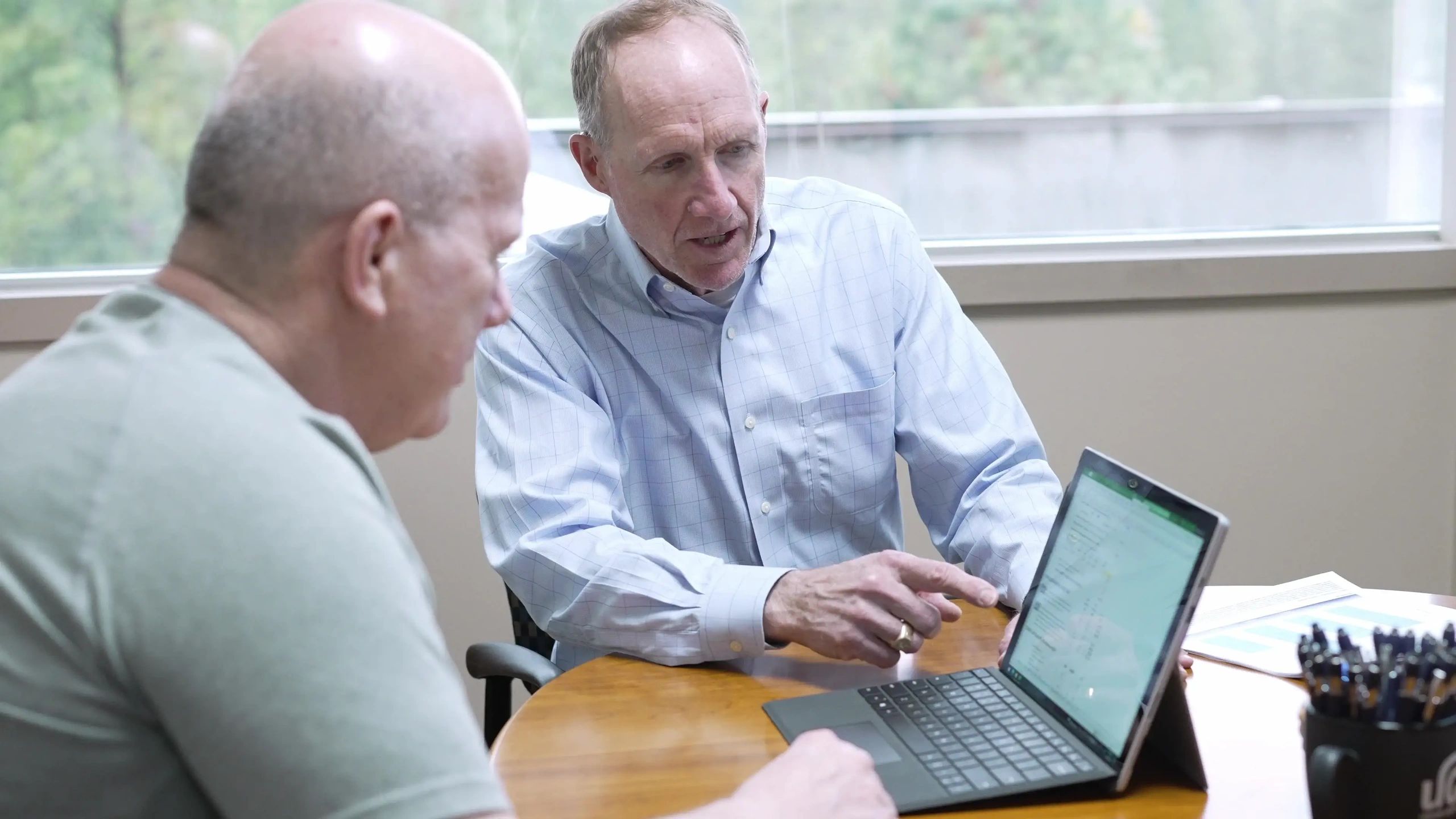
Step 2 — Review What Matters Most
If it looks like a fit, we will review the key parts of your situation, including estimated sale proceeds, basis, ownership structure, income needs, tax concerns, and estate goals.
-

Step 3 — Coordinate the Right Next Step
Whether that means evaluating DSTs, reviewing a 721 option, coordinating with your CPA and attorney, or simply understanding your choices, our goal is to help you move forward with clarity.
Questions
1031 Exchange, DST, and Washington Farmland FAQ
Can I do a 1031 exchange with Washington farmland?
A 1031 exchange may be available for real property held for business or investment if the exchange is structured properly and the replacement property qualifies as like kind real property. Your CPA, attorney, and qualified intermediary should review your specific situation before you proceed.
Can I exchange Washington farmland into a DST?
In some cases, a properly structured Delaware Statutory Trust may qualify as replacement property for a 1031 exchange. DSTs should be reviewed carefully because they involve risks, fees, illiquidity, and sponsor specific details.
What is a DST?
A Delaware Statutory Trust is a legal structure that holds real estate. Investors typically own beneficial interests in the trust rather than direct title to the property. DSTs are often used by 1031 exchange investors who want more passive real estate exposure.
Why would a farmland owner consider a DST?
A farmland owner may consider a DST if they want to defer tax through a 1031 exchange but do not want to buy and manage another property directly. DSTs may offer passive ownership, diversification, and potential income, but they are not right for everyone.
What is a 721 exchange?
A 721 exchange generally refers to contributing property to a partnership in exchange for partnership interests. In real estate planning, it is often discussed in connection with UPREIT structures. It is different from a 1031 exchange and should be reviewed carefully.
Can I do a 1031 exchange first and later a 721 exchange?
Some DST or UPREIT structures may offer optional 721 exchange opportunities later, but the details vary. It is important to understand whether the 721 option is optional or forced, how liquidity works, what tax consequences may arise later, and whether future 1031 exchange flexibility could be lost.
Is a DST liquid?
Generally, no. DST interests are typically illiquid, and there may be no active secondary market. You should not use a DST for funds you may need in the near term.
Does a DST guarantee income?
No. DST income is not guaranteed. Distributions depend on property performance, tenants, expenses, financing, market conditions, and sponsor decisions.
Do I need a qualified intermediary?
For a 1031 exchange, a qualified intermediary is generally an important part of the process and should be engaged before the relinquished property sale closes. Your CPA and attorney can help you coordinate the exchange structure.
What if I need some cash from the farmland sale?
Taking cash out of a 1031 exchange may create taxable boot. That does not mean it is always wrong, but it should be planned intentionally with your CPA and advisory team.
Are DSTs only for accredited investors?
Many DST offerings are private placements available only to accredited investors. Investors should review eligibility requirements, offering documents, fees, risks, and suitability before investing.
Can you help me decide whether a DST or 721 exchange fits?
Yes. We help farmland owners evaluate whether a 1031 exchange, DST replacement property, or potential 721 strategy fits their income needs, tax picture, risk tolerance, liquidity needs, and estate goals.
Take the next step
Selling Washington Farmland? Let's Talk Through Your Options
If you own $5M+ of Washington farmland and are considering a sale, start planning before the transaction is underway. We can help you evaluate whether a 1031 exchange, DST replacement property, or potential 721 strategy fits your broader retirement, tax, and legacy plan.
Fee only fiduciary advice · Spokane based · CFP® professionals
This page is for educational purposes only and should not be considered individualized tax, legal, real estate, or investment advice. 1031 exchanges, DSTs, UPREITs, 721 exchanges, rollover strategies, and real estate investment decisions depend on your personal situation, tax picture, ownership structure, exchange timeline, liquidity needs, and long term goals. DST and UPREIT interests can be illiquid, complex, and subject to risk, including loss of principal. Please consult your tax, legal, real estate, and financial professionals before making decisions.