

Retirement Income Planning
Retirement Income Planning for Retirees and Near Retirees
We help you turn years of saving into a thoughtful retirement income plan that connects withdrawals, Social Security, taxes, investments, and long term goals.
Retirement income works best when the pieces are coordinated, not handled one decision at a time.
Start here
Retirement Income Is More Than a Monthly Withdrawal
Retirement income planning is not just deciding how much to take from your accounts each month. It is about coordinating income sources, taxes, investments, timing decisions, and future goals so your retirement feels more intentional.
The goal is not just to create income. The goal is to create income in a way that supports your life, manages risk, and helps you make smarter tax decisions along the way.
Who this is for
You may be in the right place if…
This page is for retirees and near retirees who want a clearer plan for how their savings can become income.
-
Retirement is getting close, or already here
You want to know when work becomes optional, how much you can spend, and how to make your savings last through retirement.
-
Most of your savings are in a 401(k) or IRA
You want to understand how withdrawals, future RMDs, Roth conversions, and taxes may affect your retirement income plan.
-
You want to avoid guessing
You want a plan for where income should come from, when to use each account, and how to coordinate taxes, investments, and Social Security.
-
You want your income and tax strategy to work together
You know retirement income decisions can affect taxes, Medicare premiums, Social Security taxation, and long term flexibility.
That's where thoughtful retirement income planning can help.
Key decisions
The Big Retirement Income Questions Retirees Face
Retirement income decisions are connected. A withdrawal decision can affect taxes. Social Security timing can affect portfolio withdrawals. Roth conversions can affect income today and flexibility later. The goal is to understand how the pieces work together.
-
When can I retire?
We help you evaluate whether your savings, income sources, spending needs, and risk level can support the retirement timeline you want.
-
How much can I safely spend?
A retirement income plan helps estimate what level of spending may be sustainable based on your assets, income sources, time horizon, taxes, and goals.
-
Which accounts should I use first?
Withdrawals from taxable accounts, traditional IRAs, Roth accounts, and 401(k)s can have different tax consequences. The right order depends on your situation.
-
When should I claim Social Security?
Social Security timing can affect lifetime income, survivor benefits, taxes, and how much you need to withdraw from your portfolio.
-
Should I consider Roth conversions?
Roth conversions may be worth evaluating if you have large tax deferred balances and a window of lower income before required minimum distributions begin.
-
How should my investments support income?
Your portfolio should reflect how you plan to use your money, how much income you need, and how much risk is appropriate for this stage of life.
-
How do I plan for taxes?
Taxes can affect how much of your retirement income you keep. Withdrawal strategy, Roth conversions, QCDs, RMDs, and tax withholding should all be considered.
-
What happens if life changes?
Retirement income planning should adapt as spending, health, markets, family needs, tax laws, and long term goals change.
Income sources
Where Retirement Income Can Come From
Most retirees do not rely on one income source. Retirement income often comes from several places, each with its own timing, tax rules, and planning tradeoffs.
-
401(k) and IRA withdrawals
Traditional retirement account withdrawals are generally taxable and may become required later through RMDs. The timing and amount of withdrawals can affect your tax plan.
-
Roth accounts
Roth accounts may provide tax free qualified withdrawals and future flexibility, especially when coordinated with other income sources.
-
Taxable investment accounts
Brokerage accounts can provide flexibility, but interest, dividends, and capital gains may affect your tax picture.
-
Social Security
Social Security can provide a base of income, but claiming timing should be coordinated with your spouse, taxes, and other retirement resources.
-
Pensions or annuity income
Guaranteed income sources may help cover essential expenses, but they should still be reviewed alongside taxes, survivor needs, and portfolio withdrawals.
-
Cash reserves
Cash can help cover near term spending needs and reduce pressure to sell investments during market downturns.
The question is not just where income comes from. The better question is how each income source works with the others.
Tax planning
How Taxes Affect Retirement Income
Retirement income planning and tax planning are closely connected. The accounts you use, the order you use them, and the timing of withdrawals can all affect how much you keep after taxes.
-
Traditional account withdrawals are usually taxable
Withdrawals from traditional IRAs and 401(k)s generally count as taxable income. Large balances can create future tax pressure when required distributions begin.
-
Social Security may be taxable
Depending on your income, a portion of your Social Security benefits may be taxable. Withdrawal decisions can affect this calculation.
-
Medicare premiums may be affected
Higher income can affect Medicare IRMAA premiums in future years. Roth conversions, large withdrawals, or capital gains can all be part of that analysis.
-
RMDs can change your tax picture later
Required minimum distributions can increase taxable income later in retirement. Planning before RMDs begin may create more flexibility.
-
Charitable giving can be part of the plan
Qualified charitable distributions may help charitably inclined retirees use IRA assets in a tax aware way once eligible.
The goal is not to avoid taxes completely. The goal is to make retirement income decisions with taxes in mind.
Roth conversion planning
Roth Conversions and Withdrawal Strategy
For retirees with large 401(k) or IRA balances, Roth conversion planning and withdrawal strategy often belong in the same conversation.
A Roth conversion may be worth evaluating if retirement creates a window where income is lower than it may be later. Converting part of a tax deferred account to a Roth account can increase taxes today, but it may create more flexibility in future years.
Withdrawal strategy matters because each account type is taxed differently. The order and timing of withdrawals can affect your tax bracket, Medicare premiums, Social Security taxation, RMDs, and long term flexibility.
Questions to ask
- Should I draw from taxable accounts, traditional accounts, or Roth accounts first?
- Would a Roth conversion make sense before RMDs begin?
- How much income can I realize before it creates unwanted tax consequences?
- How would conversions affect Medicare premiums?
- How should withdrawals coordinate with Social Security timing?
- How can my withdrawal plan support both income and legacy goals?
The right withdrawal strategy depends on your income needs, tax picture, account types, and long term goals.
Timing decisions
Social Security and Pension Timing
Timing decisions can shape the rest of your retirement income plan.
Social Security timing
Claiming Social Security early may provide income sooner, while delaying may increase monthly benefits. The right timing depends on your health, spouse or survivor needs, other income sources, tax picture, and long term goals.
Pension decisions
If you have a pension, the form of benefit, survivor option, and start date can affect your income plan. If a lump sum is available, that decision should be evaluated carefully alongside investments, taxes, and retirement income needs.
Coordination matters
Social Security, pensions, portfolio withdrawals, and Roth conversions should not be evaluated separately. The right timing for one decision may affect the others.
How we help
How We Help With Retirement Income Planning
We help retirees and near retirees build retirement income plans that connect spending, taxes, investment management for retirees, Social Security, and long term goals.
-
Estimate retirement spending
We help you think through how much income you may need to support your lifestyle, goals, healthcare, travel, giving, and family priorities.
-
Build an income plan
We help identify where retirement income may come from and how different income sources can work together.
-
Coordinate withdrawals and taxes
We help evaluate how withdrawals, Roth conversions, RMDs, charitable giving, and tax withholding may affect your plan.
-
Review Social Security and pension decisions
We help you think through timing decisions in the context of your full retirement income picture.
-
Align investments with income needs
We help make sure your portfolio reflects how you plan to use your money, not just how you accumulated it.
-
Adjust the plan over time
Retirement is not static. We help revisit the plan as your life, markets, taxes, and goals change.
Why us
Why Retirees Choose Stewardship Concepts
Retirement income planning is about more than deciding how much to withdraw. It is about making thoughtful decisions around income, taxes, investments, timing, and the life you want to live.
-
A tax smart approach to retirement
We help you think through retirement income, Roth conversions, withdrawals, and future tax decisions with an eye toward what you keep after taxes.
-
Fee only fiduciary advice
Our guidance is built around your best interest, without commissions or product sales getting in the way.
-
A Spokane team that understands retirement planning
You work with a local team that understands the questions people face as retirement gets closer and income planning becomes more important.
-
CFP® professionals
Our team includes CFP® professionals who help retirees make informed decisions around income, taxes, investments, and long term planning.

The process
What the First Conversation Looks Like
Starting the conversation does not mean committing to anything. It is simply a chance to talk through your situation, ask questions, and see whether we may be a good fit.
-
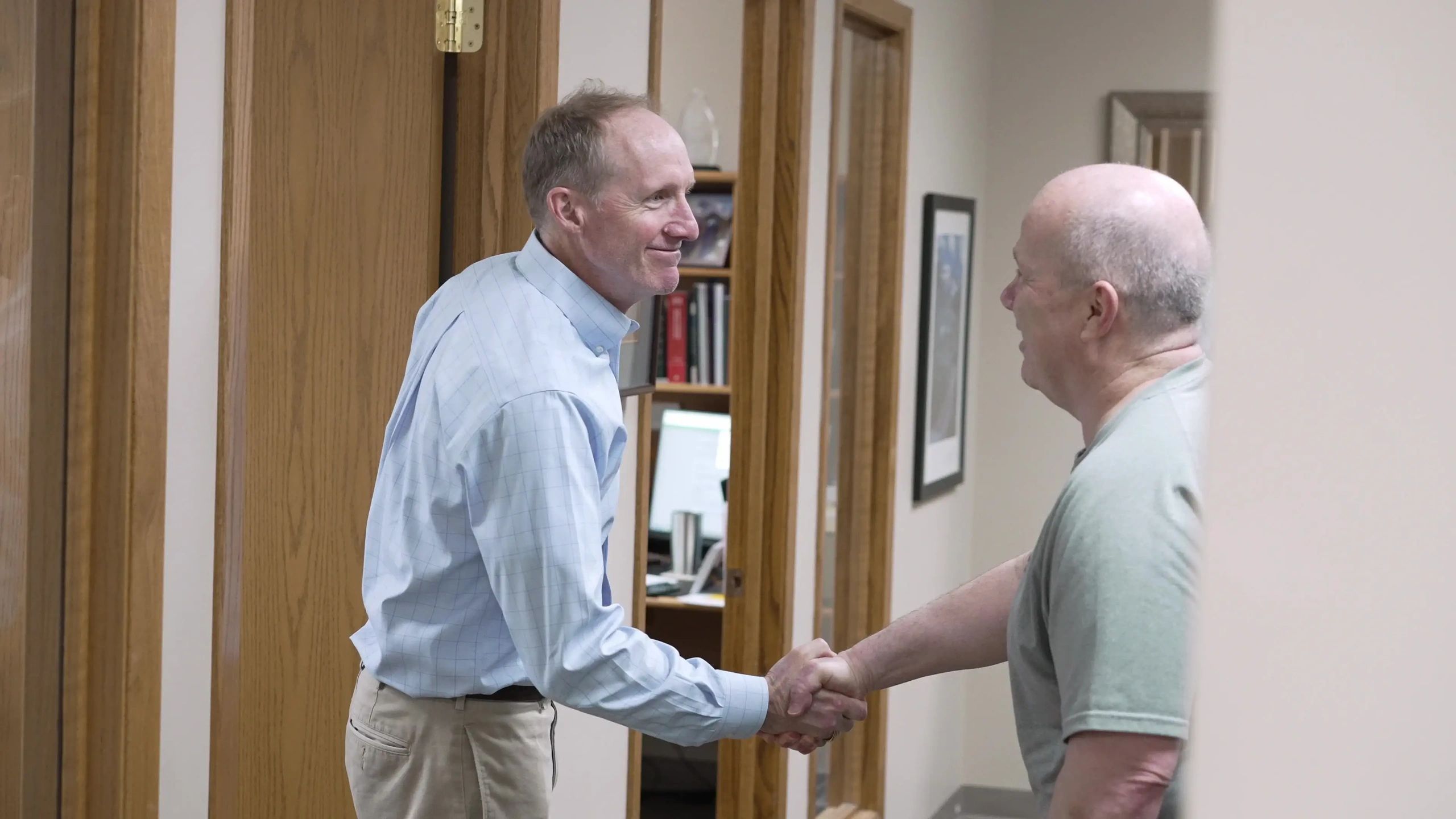
Step 1 — Schedule a Discovery Call
We will talk about where you are now, what questions are on your mind, and what you want retirement to look like.
-

Step 2 — Review What Matters Most
If it looks like a fit, we will review the key parts of your financial life, including income sources, retirement accounts, tax returns, Social Security estimates, and investment statements.
-

Step 3 — Choose the Right Next Step
Whether that means a standalone retirement plan, ongoing advice, or simply helping you understand your options, our goal is to help you move forward with clarity.
Questions
Retirement Income Planning FAQ
How do I know how much I can spend in retirement?
A retirement income plan can help estimate sustainable spending based on your savings, income sources, expected expenses, taxes, time horizon, and goals. The answer depends on your personal situation and should be revisited over time.
Which accounts should I withdraw from first?
There is no one size fits all order. The best withdrawal strategy depends on your taxable accounts, traditional IRAs or 401(k)s, Roth accounts, tax bracket, RMD timing, Social Security, and long term goals.
Should I use my 401(k) for retirement income?
A 401(k) can be an important source of retirement income. Before taking withdrawals or rolling it to an IRA, review investment options, fees, distribution rules, tax planning opportunities, and how the account fits your plan.
How do Roth conversions fit into retirement income planning?
Roth conversions may be worth evaluating if they create future tax flexibility or help manage large tax deferred balances. However, conversions increase taxable income in the year completed and should be reviewed carefully.
When should I claim Social Security?
Social Security timing depends on your income needs, health, spouse or survivor considerations, tax picture, and other retirement resources. It should be coordinated with your withdrawal strategy.
How do taxes affect retirement income?
Taxes affect how much of your income you keep. Traditional account withdrawals, Roth conversions, Social Security taxation, capital gains, RMDs, and Medicare premiums can all affect the plan.
What happens if the market drops after I retire?
Market downturns can affect withdrawal planning. A thoughtful income plan may include cash reserves, risk management, withdrawal flexibility, and investment adjustments to help manage uncertainty.
Can I start with a standalone retirement plan?
Yes. Some clients start with a standalone retirement plan before deciding whether to move forward on their own or continue with ongoing advice.
Do you prepare tax returns?
No. We do not prepare tax returns. We help with tax aware retirement planning and can coordinate with your CPA or tax professional when appropriate.
Are you local to Spokane?
Yes. Stewardship Concepts Financial Services is based in Spokane, Washington. We work with retirees and near retirees who want thoughtful retirement guidance.
Not ready to meet?
Not Ready to Meet Yet? Start with the Roth Conversion Guide
If you are still learning whether Roth conversions may fit your retirement income plan, download our free Roth Conversion Guide: Should You Do a Roth Conversion?
The guide walks through key questions to consider before making a Roth conversion decision.
Inside the guide, you'll learn:
- When Roth conversions may make sense
- How conversions can affect taxes, Medicare, and Social Security
- Common mistakes to avoid before converting
- How Roth conversions can fit into a broader retirement plan
Free download. No obligation. Unsubscribe anytime.
Check your email
Your Roth Conversion Guide is on its way. It should land in your inbox within a couple of minutes — if you don't see it, check your spam folder.
Take the next step
Let's Build a Retirement Income Plan That Fits Your Life
If you are nearing retirement or already retired and want help turning savings into income, coordinating taxes, and making the big retirement decisions work together, schedule a discovery call.
Fee only fiduciary advice · Spokane based · CFP® professionals
This page is for educational purposes only and should not be considered individualized tax, legal, or investment advice. Retirement income, withdrawal, Roth conversion, Social Security, pension, rollover, and investment decisions depend on your personal situation, tax picture, and long term goals. Please consult your tax, legal, and financial professionals before making decisions.