

As a Certified Financial Planner ® professional with many years of experience helping retirees and families in Spokane, I’ve had countless conversations about one of the most tempting but dangerous ideas in investing: trying to time the market. It’s an idea that seems simple on the surface, but when things are cheap, sell when they’re expensive. However, even the most seasoned professionals and Wall Street veterans consistently fail at it. Market timing is alluring, but it’s a strategy that can hurt long-term retirement outcomes more than it helps.
In this article, I’ll break down why timing the market doesn’t work, answer some of the most common questions I hear from investors, and share how a disciplined, diversified approach is far more effective. If you’re searching for guidance from a Spokane financial advisor, this piece is especially relevant because the principles here are foundational for retirement planning in today’s unpredictable markets.
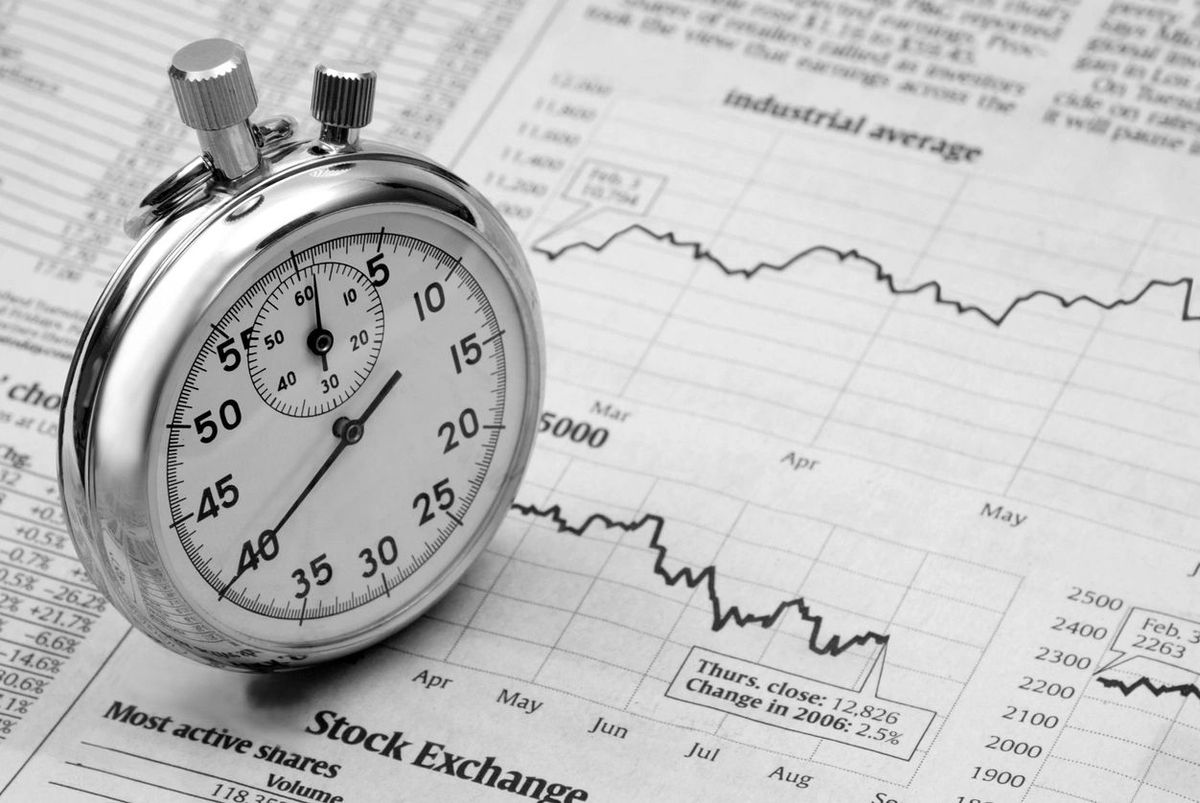
Why Timing the Market Rarely Works
One key takeaway to understand is that market moves are usually baked in before the headlines hit. Stock prices don’t wait for official announcements. They adjust in anticipation of what the Federal Reserve might do, not after a decision is made. The same is true with recessions; by the time one is officially announced, the market has often already priced it in.
That means waiting to sell until “things get bad” or jumping back in once “things look good again” usually means you’re too late. Markets are forward-looking. By the time the average investor reacts to news, prices have already moved. This is why even professional fund managers rarely outperform the market over long periods of time.
Common Questions About Market Timing
Q: Wouldn’t I be better off moving to cash before a market drop?
It sounds logical, but the problem is that nobody rings a bell at the top of the market. If you sell too early, you miss out on gains. If you sell too late, you lock in losses. Worse, you then have to guess when to get back in. Missing even a handful of the market’s best days can drastically reduce your long-term returns. Historically, the best days often come right after the worst days, so stepping aside usually means missing the recovery.
Q: What about waiting until a recession is over before investing again?
This is another common strategy, but it ignores how markets work. Stocks typically start to recover months before economic data confirms a recession has ended. If you wait for the “all clear” signal, you’ll likely miss a large portion of the rebound. By the time the news is positive, prices are already higher.
Q: Can professional traders time the market successfully?
While some traders may have short-term success, the overwhelming data shows that even professional managers struggle to consistently beat the market. DALBAR, a financial research firm, has studied investor behavior for decades and consistently finds that the average investor underperforms the market because of poorly timed buy and sell decisions.
Q: If I can’t time the market, what should I do instead?
The answer is to focus on what you can control. This means building a diversified portfolio aligned with your goals, your time horizon, and your tolerance for risk. It also means sticking to a disciplined strategy, even when headlines are scary. In my practice as a Spokane financial advisor, I encourage clients to think in terms of decades, not days.
The Cost of Missing the Best Days
Let’s look at an example that's backed by American Fund's study. Suppose you invested $100,000 in the S&P 500 in 1990 and left it alone through 2020. By the end of that period, your account would have grown to over $1.5 million. But if you missed just the 25 best trading days over that 30-year stretch, your ending balance would be cut in half. And again, those best days often happen during times of extreme volatility, right when most people are running for the exits.
This demonstrates that the real risk isn’t staying invested through downturns, it’s missing the recovery.
Behavioral Biases That Fuel Market Timing
Why do so many investors still try to time the market? The answer lies in human behavior. We are wired to avoid pain and seek safety, so when markets drop, our instinct is to get out. But those instincts often work against us in investing. Fear leads to selling low, while greed leads to buying high. Recognizing these biases and having a financial advisor to provide perspective can help prevent costly mistakes.
The Role of a Spokane Financial Advisor
As a Spokane financial advisor, my job is not just to build portfolios, but to help clients stay disciplined when emotions run high. The most valuable service I can provide is often helping retirees avoid the temptation to make reactionary decisions. A well-structured plan anticipates market downturns and builds in strategies like cash reserves, diversification, and tax-efficient withdrawals so that you don’t have to guess what comes next.

What You Can Do Instead of Timing the Market
- Stay Invested: The data overwhelmingly support staying invested through market cycles.
- Diversify Your Portfolio: Spread investments across different asset classes to reduce risk.
- Focus on Your Plan: Align your investments with your retirement goals, not with the news cycle.
- Rebalance Regularly: Instead of trying to time the market, systematically rebalance your portfolio to maintain your desired risk level.
- Work With a Professional: Having an experienced Spokane financial advisor provides perspective and accountability that can help you avoid emotional decisions.
Final Thoughts
Market timing is one of the greatest myths in investing. While the idea of dodging downturns and capturing gains is appealing, the reality is that it’s nearly impossible to execute consistently. The smarter approach is to build a long-term plan, stay diversified, and resist the urge to react to short-term noise.
If you’re looking for guidance, working with a Certified Financial Planner in Spokane can help ensure your retirement strategy is built to withstand the ups and downs of the market. The goal isn’t to predict the next move, but to create a plan that allows you to succeed no matter what the market throws your way.
Contact a Spokane Financial Advisor Today
If you’re ready to take control of your financial legacy, schedule a consultation with a local Spokane financial advisor. We’ll help you review beneficiaries, optimize tax strategies, and ensure your estate plan reflects your current wishes.
Meet with our Spokane Financial Advisor today

About the Author
Noah Schwab CFP® is a financial advisor in Spokane, Washington, helping retirees with $ 1M+ maximize their 401(k) with Roth conversions and tax strategies.
- No commissions or insurance
- Investment management, tax and financial planning