

When planning for retirement, most people focus on how much they need to save, but just as important is where they save it. As a financial advisor in Spokane, I often see retirees underestimate the power of tax diversification: having your money spread across multiple types of accounts can give you far more flexibility, control, and peace of mind in retirement.
Many retirees think a single 401(k) or IRA is enough. While these accounts are essential, relying solely on one type of account can limit your options, especially when it comes time to withdraw funds in a tax-efficient way. By strategically using multiple “tax buckets,” you can create a retirement plan that is both flexible and tax-optimized, particularly important if a large, unexpected expense or health event occurs and you need to draw a significant sum from a single account, potentially increasing your taxable income.
Understanding the Three Tax Buckets
To simplify, there are three main types of retirement savings accounts: pre-tax accounts, Roth accounts, and taxable accounts. Each has unique rules and advantages, and the best retirement strategies often involve using all three.
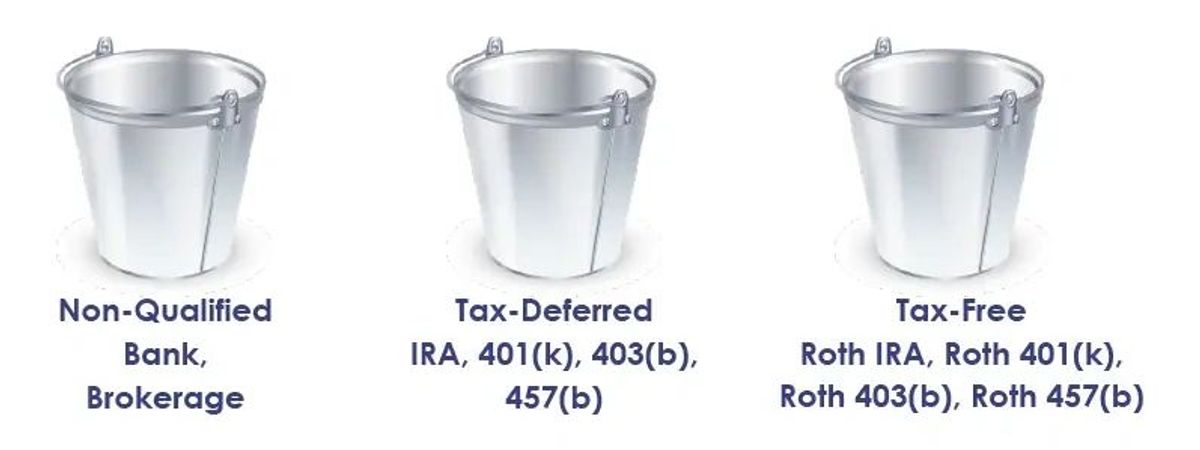
1️⃣ Pre-Tax Accounts (401(k)s, Traditional IRAs)
Pre-tax accounts allow you to contribute money before paying income taxes. That means you reduce your taxable income today while your investments grow tax-deferred. You’ll pay ordinary income taxes when you withdraw these funds in retirement.
Why pre-tax accounts matter:
- Tax deferral: Your contributions reduce your taxable income in the year you make them.
- Compound growth: Investments grow without being taxed annually, which accelerates wealth accumulation.
Strategic Roth conversions: You can convert portions of your pre-tax account to Roth IRAs during years when your income is lower, paying taxes now to avoid higher taxes later.
A common misconception is that pre-tax accounts are “set it and forget it.” In reality, retirees who plan withdrawals strategically from pre-tax accounts can significantly reduce their lifetime tax burden. For example, by carefully timing withdrawals around Social Security claiming or other income events, you can avoid being pushed into a higher tax bracket.
2️⃣ Roth Accounts (Roth IRAs, Roth 401(k)s)
Roth accounts work in the opposite way: contributions are made with after-tax dollars, but withdrawals in retirement are completely tax-free if certain conditions are met. Roth accounts are especially powerful for retirees who want to control taxable income later in life.
Why Roth accounts matter:
- Tax-free withdrawals: Once you meet the age and holding requirements, withdrawals are entirely tax-free.
- No RMDs for Roth IRAs: Unlike pre-tax accounts, Roth IRAs are not subject to required minimum distributions, giving you more flexibility in retirement.
- Future-proofing: Protects against the risk of higher tax rates in the future.
Roth accounts are particularly valuable in states like Washington, where there is no state income tax, because the benefits of tax-free growth and withdrawals are even more significant. Retirees can also use Roth funds strategically to manage their taxable income, keeping Social Security taxes lower or avoiding higher Medicare premiums.
3️⃣ Taxable Accounts (Brokerage Accounts)
Taxable accounts are funded with after-tax money, and you pay taxes on interest, dividends, and realized capital gains. While they don’t offer the same tax-deferred growth benefits as pre-tax accounts, they provide unmatched flexibility.
Why taxable accounts matter:
- Unlimited contributions and withdrawals: There are no annual contribution limits, making them ideal for supplemental savings.
- Tax-efficient withdrawals: Long-term capital gains are taxed at lower rates than ordinary income, and you can use losses to offset gains.
- Flexibility for lifestyle or legacy planning: Taxable accounts can be used for early retirement spending, gifting, or charitable donations.
Taxable accounts also serve as a “buffer” in retirement. For instance, if markets dip and pre-tax or Roth accounts are down, retirees can rely on taxable accounts to cover short-term expenses without selling assets at a loss.
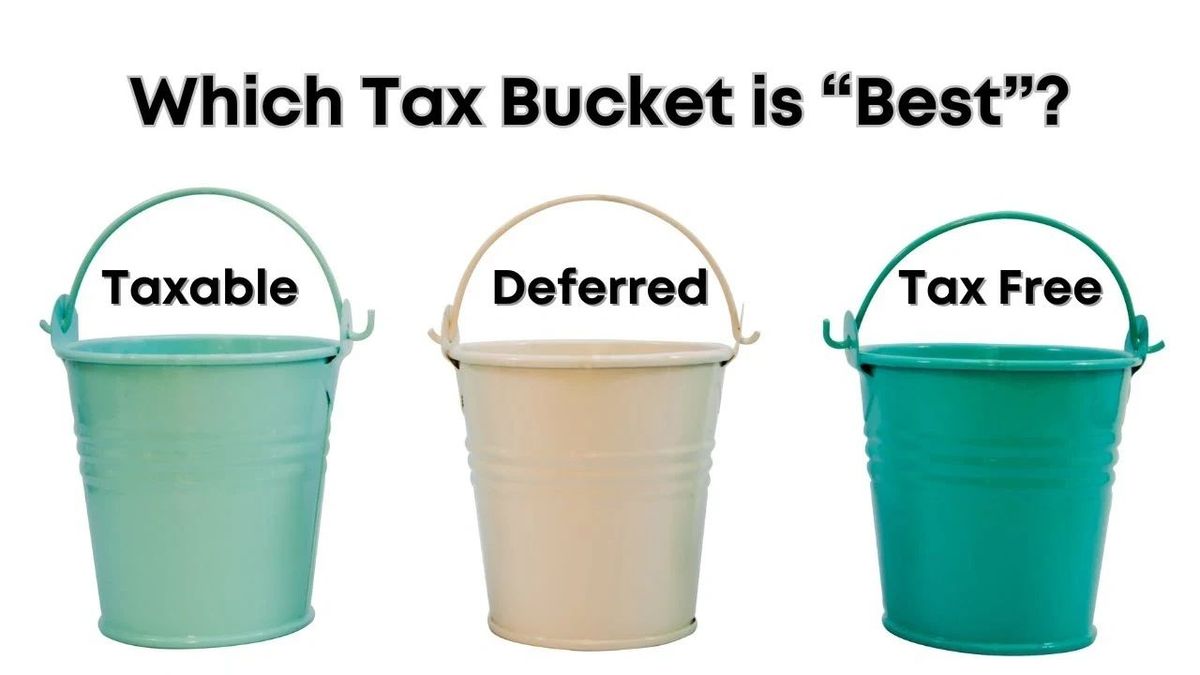
Why Multiple Buckets Matter
Having at least two or three of these tax buckets gives you more options and flexibility when planning retirement withdrawals. Instead of being forced to pull from a single account type and potentially push yourself into a higher tax bracket, you can choose the optimal source each year.
This flexibility is also why Roth conversions are such a powerful tool. By converting some pre-tax funds to a Roth account during years when your taxable income is lower, you can reduce the size of future RMDs, manage your tax brackets, and create a more tax-efficient retirement income strategy. Even if you pay some tax now, the payoff can be significant down the road.
Real-World Example:
Imagine a retiree with $1 million spread across all three buckets: $500k in a pre-tax 401(k), $250k in a Roth IRA, and $250k in a taxable brokerage account. In a year when their income is lower than usual, they might:
- Pull from the taxable account first to preserve tax-deferred growth.
- Do a Roth conversion on part of the 401(k) to reduce future RMDs.
- Leave the Roth untouched, keeping tax-free funds available for later years.
This approach provides greater control over taxes, Social Security taxation, and Medicare premiums while helping ensure a smooth, sustainable retirement income.
Roth Conversions: Planning for the Future
One of the most overlooked strategies by retirees is partial Roth conversions. This involves moving a portion of your pre-tax funds into a Roth IRA and paying taxes on the converted amount now. Why would anyone pay taxes early?
- Reduce future RMDs: Smaller pre-tax balances mean smaller mandatory withdrawals later, which can reduce your lifetime tax bill.
- Manage tax brackets: strategically converting income allows you to fill lower tax brackets in low-income years.
- Protect your heirs: Roth accounts pass on tax-free to beneficiaries, potentially saving them significant taxes.
A skilled financial advisor in Spokane can help identify the best years to convert, calculate the tax impact, and create a plan that maximizes flexibility while minimizing unnecessary taxes.

Timing Withdrawals Across Buckets
Having multiple buckets isn’t just about tax planning; it’s about timing and lifestyle. Here are a few strategies retirees can use:
- Early retirement years: Draw from taxable accounts first to preserve tax-advantaged accounts for later.
- Low-income years: Consider Roth conversions to take advantage of lower tax brackets.
- High-expense years: Use a mix of taxable, Roth, and pre-tax withdrawals to manage your tax bill efficiently.
- Late retirement years: Focus on required minimum distributions (RMDs) from pre-tax accounts and rely on Roth for flexibility.
By blending withdrawals across buckets, you gain a tax-efficient approach that allows you to maintain your lifestyle while minimizing the total taxes paid over your lifetime.

Planning for Spokane Retirees
As a financial advisor in Spokane, I know that retirement planning here comes with its own unique considerations:
- Washington has no state income tax, which makes Roth conversions and tax planning particularly effective.
- Estate tax considerations: Washington does have an estate tax, so it’s important to plan early to keep your estate under the exemption threshold and minimize taxes.
- Cost of living: Spokane retirees often want strategies that balance lifestyle spending with preserving legacy wealth.
- Healthcare costs: Planning withdrawals across buckets can help manage Medicare premiums and healthcare expenses.
Local retirees also benefit from coordinating withdrawals with Social Security claiming strategies and charitable giving plans, another reason why having multiple tax buckets is invaluable.
Key Takeaways
- Diversify across tax buckets: Pre-tax, Roth, and taxable accounts each serve unique purposes.
- Plan withdrawals strategically: Using multiple buckets allows you to optimize taxes and income.
- Consider Roth conversions: Paying some tax now can save much more later.
- Work with a financial advisor in Spokane: Personalized planning ensures your buckets are optimized for your retirement goals, taxes, and lifestyle.
Retirement is about more than just saving; it’s about options, control, and confidence. By building multiple tax buckets, you can design a retirement strategy that is flexible, tax-efficient, and aligned with your long-term goals.
If you're ready to take control of your retirement income, contact our financial advisor in Spokane today to explore your three buckets, plan strategic Roth conversions, and build a tax-efficient retirement plan tailored to your needs.
Meet with our Spokane Financial Advisor today

About the Author
Noah Schwab CFP® is a financial advisor in Spokane, Washington, helping retirees with $ 1M+ maximize their 401(k) with Roth conversions and tax strategies.
- No commissions or insurance
- Investment management, tax and financial planning
Noah Schwab, CFP®, is a Spokane financial advisor specializing in helping retirees with tax-efficient retirement income strategies, Roth conversions, and estate planning. This article is for educational purposes only and should not be considered tax or legal advice.