

Roth Conversion Strategies for Spokane Retirees: How to Minimize Taxes in Retirement
Written by Noah Schwab, CFP® a financial advisor in Spokane specializing in Roth Conversion for retirees with over $1M+ in a 401k
Quick Summary:
If you’re a Spokane retiree with a $1M+ 401(k), a Roth conversion can reduce future taxes and create a tax-free income stream in retirement. The key is to convert strategically:
- Time conversions to stay in a lower tax bracket
- Use charitable donations to offset taxes
- Coordinate with Social Security, pensions, and required minimum distributions (RMDs)
Starting small, converting gradually, and planning with a Certified Financial Planner® (CFP®) can maximize tax efficiency, grow your wealth, and help you achieve long-term goals.
Why Roth Conversions Matter for Spokane Retirees
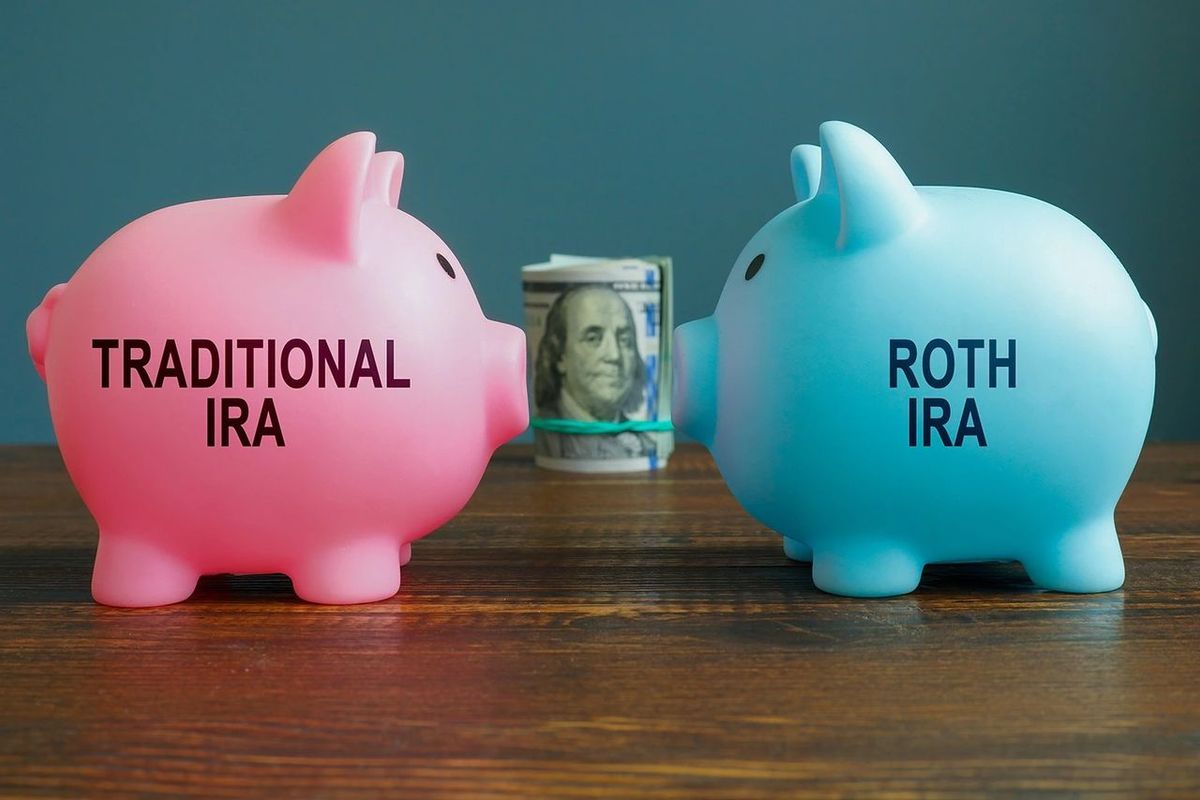
A Roth conversion moves money from a traditional 401(k) or IRA into a Roth IRA, paying taxes now so withdrawals are tax-free in the future.
Benefits include:
- Tax-free growth: Investments grow without future tax liability.
- No RMDs: Roth IRAs don’t require withdrawals at age 73, unlike 401(k)s or traditional IRAs.
- Estate planning advantage: Roth accounts can be passed to heirs tax-free, reducing Washington State estate tax exposure.
- Flexible withdrawals: You can strategically withdraw from taxable or tax-free accounts to minimize overall taxes.
Main challenge: Paying taxes upfront on the converted amount, planning is essential.
Step 1: Assess Your Current Tax Situation
Before converting, consider:
- Current income: Pensions, rentals, interest, dividends, capital gains, Social Security, and other taxable income determine your tax bracket.
- Expected future taxes: Will RMDs or rising tax rates push you into a higher bracket? Converting now may save taxes later.
- Available funds for conversion taxes: Ideally, pay taxes from outside sources to preserve Roth growth.
Example:
- Jim, 65, has a $1.2M 401(k), a $50k pension, and $25k in Social Security.
- He expects RMDs to push him into the 22% bracket.
- By converting $100k to a Roth and paying taxes from taxable savings, he preserves more for long-term growth.
Step 2: Timing Your Roth Conversion
Timing is critical for minimizing taxes.
Key Principles:
- Convert in low-income years: Early retirement before Social Security or RMDs begin is ideal.
- Avoid bracket spikes: Partial conversions are usually better than one large conversion. Tools like Holistiplan and past tax returns can estimate your optimal conversion window.
- Coordinate with RMDs: Conversions are most effective before age 73.
Hypothetical Scenario:
- John, 62, retires with $1.8M in his 401(k) and $200k in savings.
- His taxable income is $50k (12% federal bracket).
- He converts $46k to a Roth, staying in the 12% bracket.
- Result: Tax-free future withdrawals and long-term savings, avoiding the 22% bracket at RMD age.
Step 3: Use Charitable Giving to Offset Taxes
Qualified Charitable Distributions (QCDs) can reduce taxable income.
- If you’re 70½ or older, you can donate up to $111k (2026) directly from an IRA to charity.
- QCDs count toward RMDs but are not taxable.
- This may create room for a Roth conversion, though it’s not always advantageous.
Example:
- Sarah, 72, has a $1.2M IRA. She wants to pass $50k tax-free to her son.
- She donates $30k via QCD to a Spokane charity.
- Her taxable income is lower, reducing conversion taxes and preserving wealth for heirs.
Step 4: Gradual Conversions vs. Lump Sum
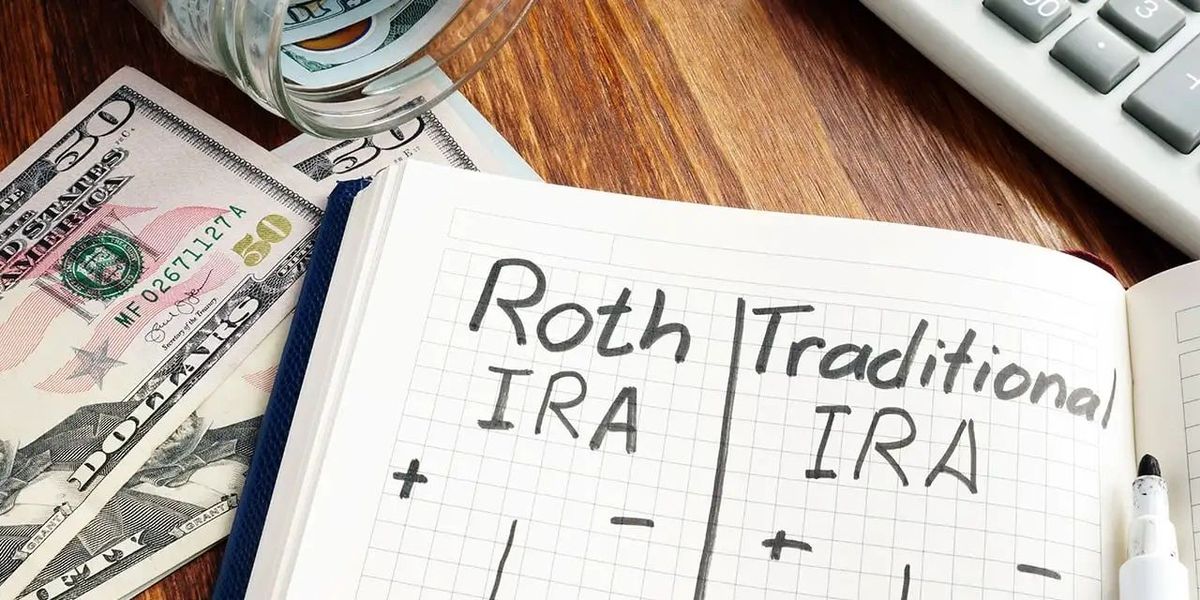
Spreading conversions over several years often works best.
Benefits:
- Avoids income spikes
- Minimizes impact on Medicare premiums
- Provides flexibility to respond to market conditions
Case Study:
- Mark and Lisa, 68, have $1.5M in 401(k)s.
- Instead of converting $500k at once, they convert $100k per year over five years.
- They stay in the 24% bracket instead of jumping to 32%, paying less in total taxes.

Step 5: Coordinate With Social Security and Pensions
Conversions can impact Social Security taxation and Medicare premiums.
- Social Security: Up to 85% may be taxable. Large conversions can increase this.
- Pensions: Combined income from pensions + conversions can push you into higher brackets.
Strategy:
- Convert before Social Security begins, or in years with lower pension income.
- Delay conversions if income spikes are unavoidable.
Step 6: Choose Which Assets to Convert
Consider which investments to move to your Roth:
- Stocks or growth assets: Benefit most from tax-free growth.
- Bonds or cash: Can remain in the 401(k) if lower-growth assets are preferred.
- Paying taxes: If taxes are paid from a taxable account, factor in potential capital gains.
Example:
- Emily, 66, has 60% stocks and 40% bonds.
- She converts only stocks to a Roth, rebalances her 401(k) to maintain allocation, and rebalances the Roth to a slightly more aggressive mix (75% stocks).
- Result: Additional growth occurs tax-free in the Roth.
Step 7: Plan for Washington State Estate Taxes
Washington has no income tax, but estate taxes apply to estates over $3M (2026).
- Roth accounts, QCDs, and charitable giving can help reduce estate tax exposure.
Scenario:
- David, 74, has $3M in retirement accounts.
- He converts $200k per year to a Roth and donates to charity.
- After five years, his estate is structured to minimize taxes while providing tax-free income for heirs.
Step 8: Watch Out for Common Pitfalls
- Over-converting → higher tax bracket
- Using retirement funds to pay taxes → reduces growth
- Ignoring Medicare premiums → higher Part B and D costs
- Waiting too long → RMDs force higher taxable income

Step 9: Work With a CFP® for Personalized Planning
Roth conversions are highly personal. Your strategy depends on:
- Current and future tax rates
- Pension and Social Security timing
- Estate planning goals
- Investment allocation
A CFP® can model scenarios, coordinate conversions with withdrawals, and integrate charitable giving to maximize tax efficiency.

Conclusion
Roth conversions are a powerful tool for Spokane retirees to:
- Minimize taxes
- Create tax-free retirement income
- Preserve wealth for heirs
Key steps:
- Assess current income and tax bracket
- Time conversions strategically
- Use charitable giving to reduce taxes
- Convert gradually to avoid spikes
- Coordinate with Social Security and pensions
- Choose investments for maximum Roth growth
- Plan for estate taxes in Washington
With careful planning, retirees can enjoy tax-free growth, flexible withdrawals, and a lasting legacy.
Frequently Asked Questions (FAQ)
1. Can I convert my RMD to a Roth IRA?
No. RMDs must be taken as taxable distributions first. After withdrawing your RMD, any remaining 401(k) or IRA balance can be converted. Planning before RMDs begin at age 73 maximizes efficiency.
2. How much should I convert each year?
Smaller, gradual conversions often keep you in a lower tax bracket and reduce the impact on Medicare and Social Security.
3. When is the best time to start Roth conversions?
Low-income years, such as early retirement before Social Security or pension benefits begin, are ideal. Starting before age 73 helps avoid forced taxable withdrawals.
4. Can I pay the Roth conversion taxes from my 401(k)?
Technically, yes, but it’s not recommended. Using outside funds preserves more tax-free growth in the Roth.
5. How do Roth conversions affect Social Security and Medicare?
Conversions increase taxable income, potentially raising the taxable portion of Social Security and Medicare premiums. Careful planning can minimize this impact.
6. Are Roth conversions right for everyone?
Not always. They work best if you expect higher future taxes, want tax-free growth, seek flexible withdrawals, or plan to leave a tax-free inheritance.
7. Can I convert just part of my 401(k) or IRA?
Yes. Partial conversions are often ideal to manage your tax bracket and retirement income efficiently.
Next Steps:
If you’re a Spokane retiree ready to explore Roth conversions, schedule a consultation with a local CFP® advisor. Even small, carefully planned conversions can reduce taxes and improve retirement flexibility.
Meet with our Spokane Financial Advisor today

About the Author
Noah Schwab CFP® is a financial advisor in Spokane, Washington, helping retirees with $ 1M+ maximize their 401(k) with Roth conversions and tax strategies.
- No commissions or insurance
- Investment management, tax and financial planning
Noah Schwab, CFP®, is a Spokane financial advisor specializing in helping retirees with tax-efficient retirement income strategies, Roth conversions, and estate planning. This article is for educational purposes only and should not be considered tax or legal advice.