

A budget is a crucial tool for business owners. It provides financial control, enables decision-making, helps with planning, tracks performance, and facilitates communication with your team. By creating and regularly reviewing a budget, you can ensure that your business remains financially healthy and on track to achieve its goals. Including your Spokane financial advisor during this process can be extremely helpful.
- Set clear financial goals: Start by defining your business's financial objectives. Identify the revenue you need to generate to achieve your goals and establish key performance indicators (KPIs) to track your progress.
- Check Industry Standards: Although every business is unique, they share similarities. To prepare, research the industry and consult with local business owners. The internet is a valuable resource of information. To know how much revenue will be allocated towards costs, consider visiting the local library and checking the IRS website. Remember that small businesses are more vulnerable to industry downturns than larger competitors, so focus on finding an average rather than specific figures.
- Review past performance: Analyze your financial statements from the previous year to gain insights into your company's revenue, expenses, and cash flow. By analyzing this data, you can pinpoint areas where you can reduce costs and distribute resources more effectively.
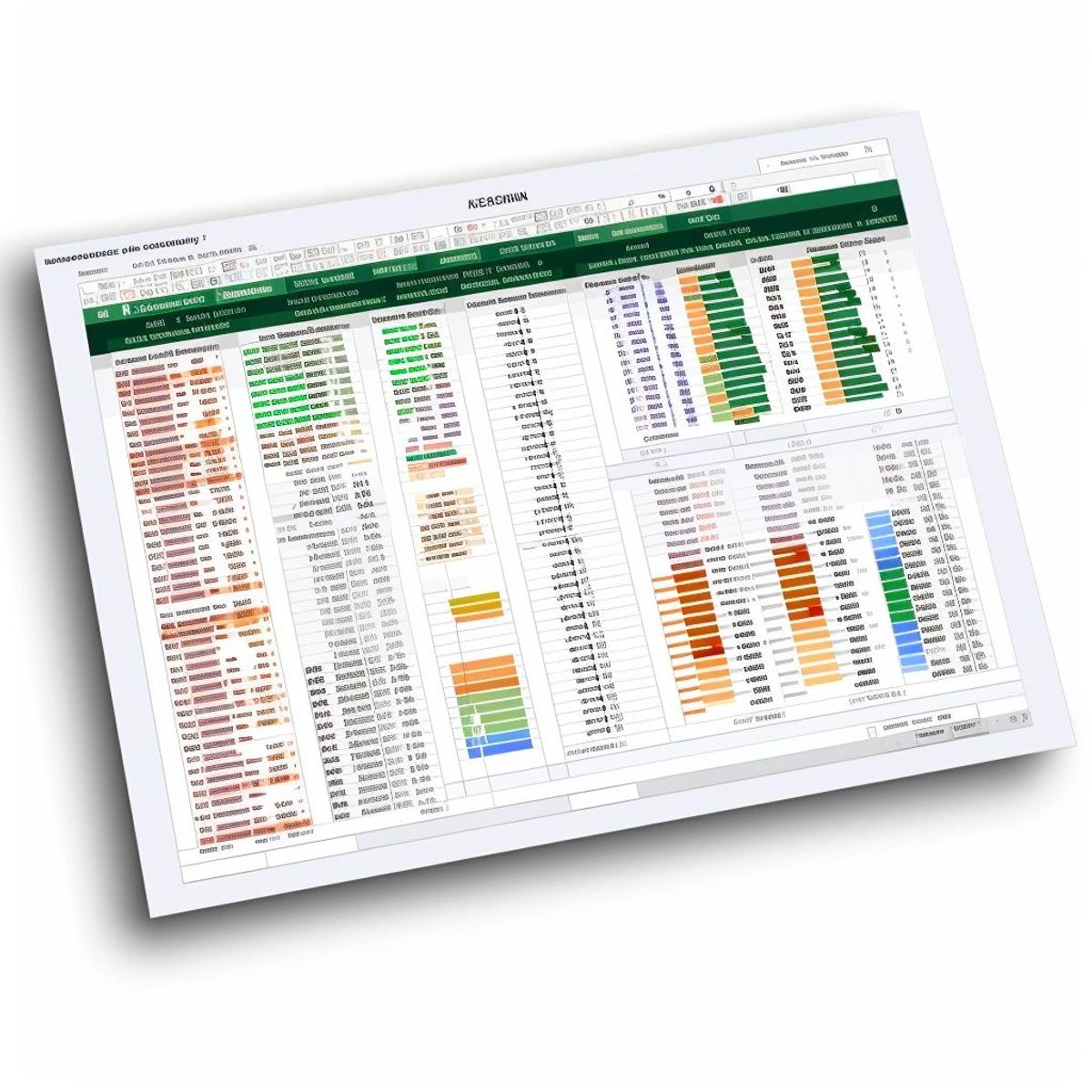
- Make a Spreadsheet: When considering purchasing or starting a business, creating a spreadsheet to determine the amount and percentage of your revenue that will be used for raw materials and other expenses is essential. Divide your expenses into salaries, wages, marketing, rent, utilities, and supplies. This will help you track spending and identify areas to make adjustments. Before moving forward, contact your suppliers and take care of your rent, taxes, insurance, and other expenses. It is crucial to understand the various types of budgets required for your small business and how to implement them effectively.
- Review past performance: Analyze your financial statements from the previous year to gain insights into your company's revenue, expenses, and cash flow. This data can help you identify areas where you can cut costs and allocate resources more efficiently.
- Include a margin of error: It's essential to consider some margin of error. Remember that your revenue growth and expenses predictions may be partially accurate. To prepare for error, have extra money saved up or coming in before expanding the business or hiring new employees.
- Cut Costs: When saving money, focus on things you control more. If you're in a tight financial situation and need to come up with money to pay an important bill, run an advertisement, or take advantage of an opportunity, consider ways to cut costs. Additionally, it's a good idea to wait until the beginning of a new billing cycle to make purchases or to take advantage of payment terms from suppliers and creditors. Clever maneuvering here could give the business owner much-needed breathing and expansion room. Shop Around for Services/Suppliers. As a business owner, exploring different options for suppliers and cost-effective services is essential. This process should be done regularly, such as when starting or expanding your business, creating budgets, and conducting periodic reviews.
- Review the Business Periodically: While many firms draft a budget yearly, small business owners should do so more often. Many small business owners plan a month or two because business can be volatile, and unexpected expenses can throw off revenue assumptions. Establishing a budget planning calendar can be an effective tool for business owners to ensure they have enough capital to meet their business needs. Continuously monitor your actual expenses and revenue compared to your budgeted amounts, and adjust your plan as needed. A budget can also help communicate your financial goals and priorities to your team. By sharing your budget with your employees, you can help them understand the company's financial situation and their role in achieving your goals.
Creating a solid budget is a critical part of running a successful business. A well-designed budget can help you manage your company's finances and make informed decisions about where to allocate resources. Here are some steps you can take to create a better business budget. If you need help creating a budget or have questions on other business areas, contact our Spokane financial advisor for a discovery call to see if we can help.
About the Author
Noah Schwab CFP® is a financial advisor in Spokane, Washington, specializing in helping Spokane small business owners.
- Synergizing business and personal finances
- Setting up retirement plans
- Investment management
Resources:
Spokane local library: Link
IRS website: Link