
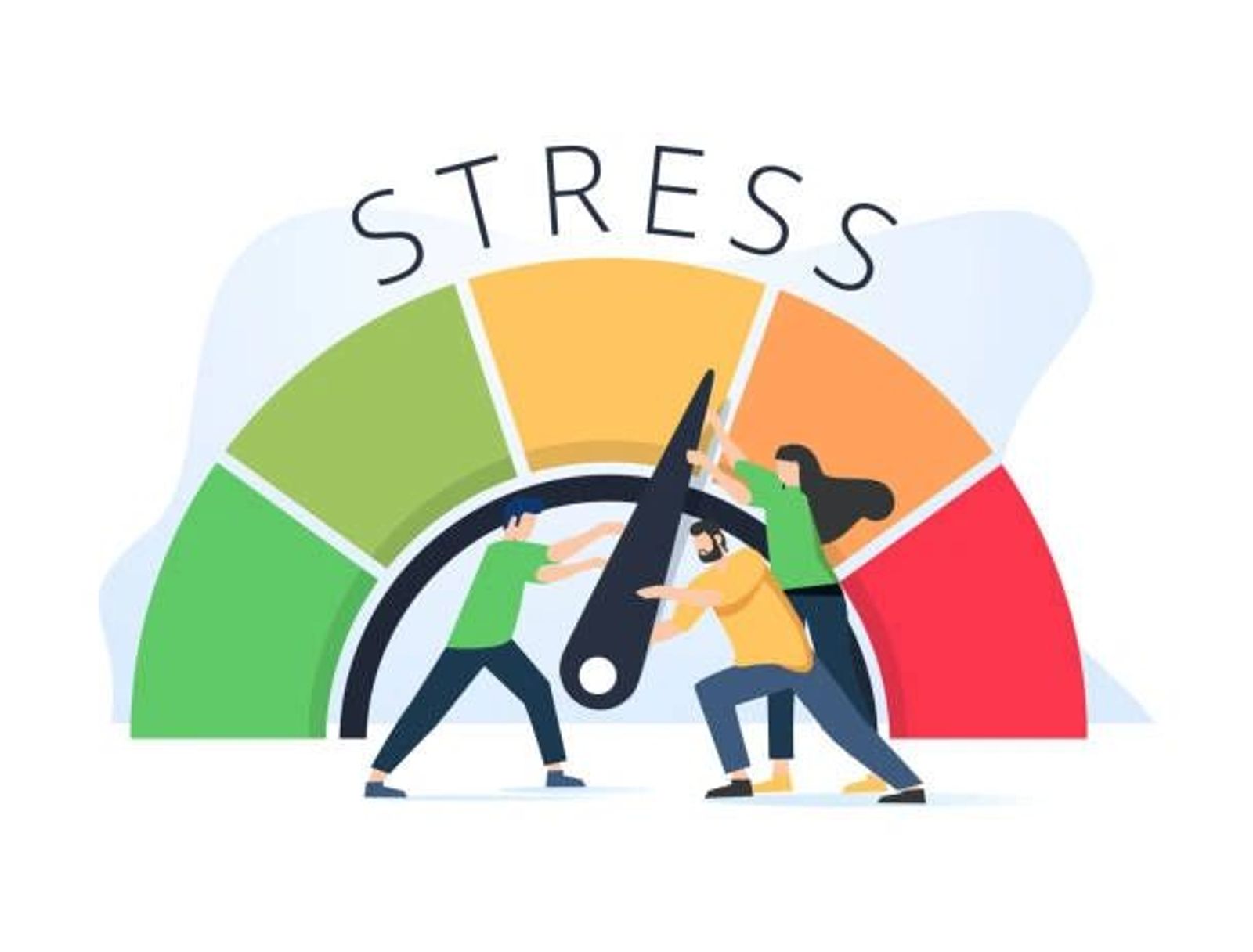
56% of Americans said that their debt was negatively impacting their life. Over half of the people you see on the street are experiencing financial stress. That's a scary statistic. Identifying financial habits that have a strong negative impact on mental health is important. But locating the problem is just the first step, taking action is equally as important. Check to see if you have any of these five financial habits that negatively affect your mental health:
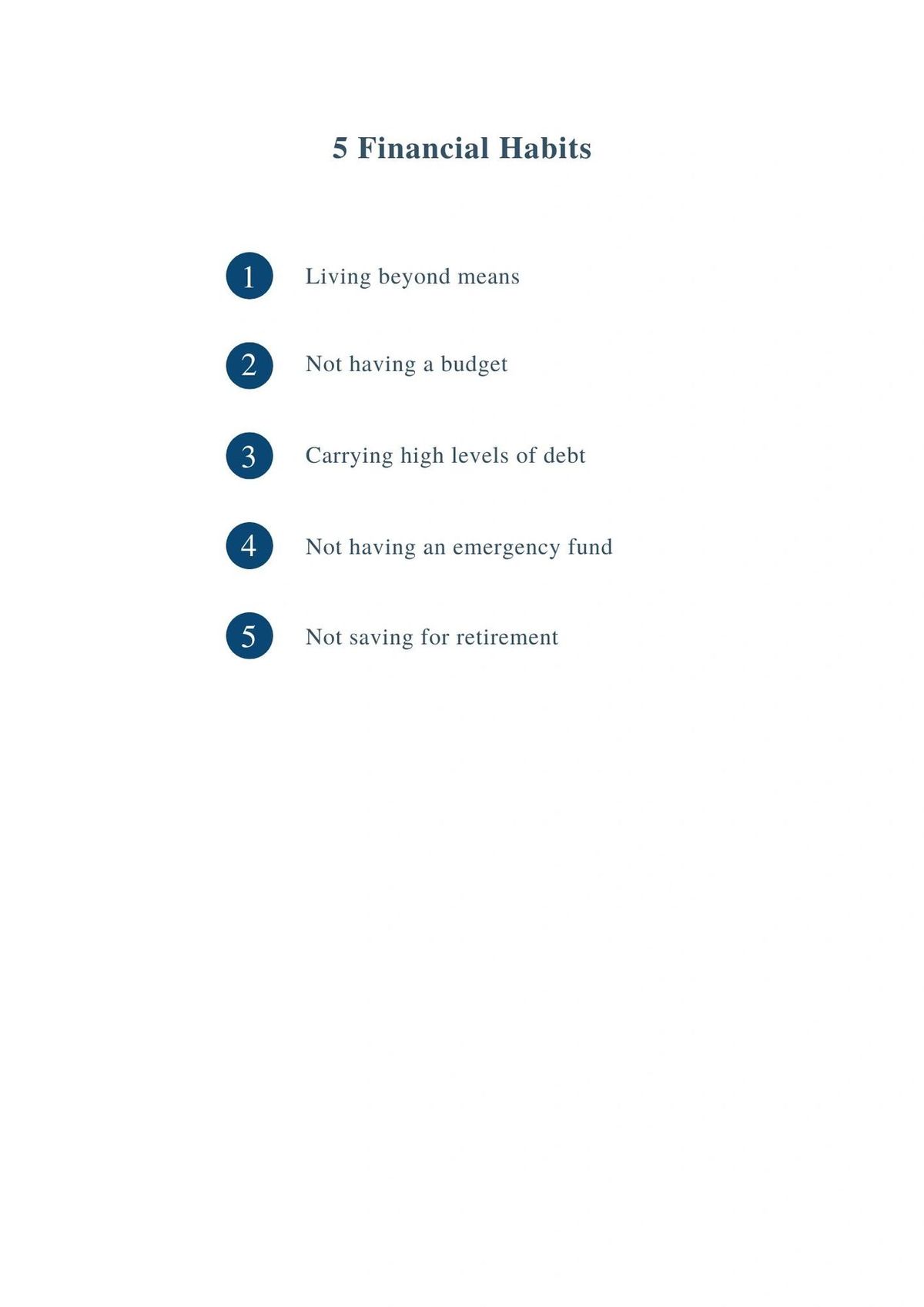
- Living beyond your means: If you consistently spend more money than you earn, you may find yourself under a lot of financial stress. This can lead to physical symptoms such as sleep problems, stomach issues, and headaches, as well as mental health issues such as anxiety and depression. There are two main reasons which push people to live beyond their means. One, they tie their happiness to buying new things. This is dangerous because they won’t find fulfillment and happiness by buying new things and it leads to an even worse place. Second, they let their friends, family, and neighbors influence the way that they spend their money. The common phrase is keeping up with the Jones and it isn’t healthy.
- Not having a budget: Without a budget, it can be difficult to keep track of your spending and ensure that you are saving enough money for the future. This lack of financial planning can lead to stress and anxiety. Even when buying items that could be well within your means, if you don’t have a budget there can be stress because you don’t know if it’s okay or not.
- Carrying high levels of debt: High levels of debt can be a significant source of stress and can lead to physical and mental health problems. Having debt isn’t necessarily a bad thing but there are points where it can reach unhealthy amounts. Seek the advice of a Spokane Financial advisor to find out if you should be accelerating debt elimination.
- Not having an emergency fund: Without an emergency fund, unexpected expenses can be financially devastating and cause a great deal of stress. Not relying on a loan or credit card allows you to have to worry about where the money will come from. Mentally dealing with an emergency can already be enough stress. This safety net is a huge relief and gives peace of mind. Having an emergency fund allows your retirement accounts to not be tapped in case of an emergency which allows them to grow for your future.
- Not saving for retirement: Not saving enough for retirement can lead to financial insecurity in the future and cause stress and anxiety. Having dependence on others for financial security is uncertain and stressful. Not being able to afford your quality of life and having fewer choices in retirement can be a tough realization and mental adjustment.
By developing healthy financial habits, such as setting a budget, saving for emergencies and the future, and paying off debt, you can help to improve your physical and mental health. This might involve talking to a mental health professional, joining a support group, or seeking out financial education resources to help you get a handle on your debts. Remember that it's never too late to start working towards financial freedom and improving your mental health.
About the Author
Noah Schwab CFP® is a financial advisor in Spokane, Washington who specializes in helping Spokane small business owners.
- Synergizing business and personal finances
- Setting up retirement plans
- Investment management
Resources:
More information on managing stress: Link
More facts on mental health and money problems: Link